

































































































































































































































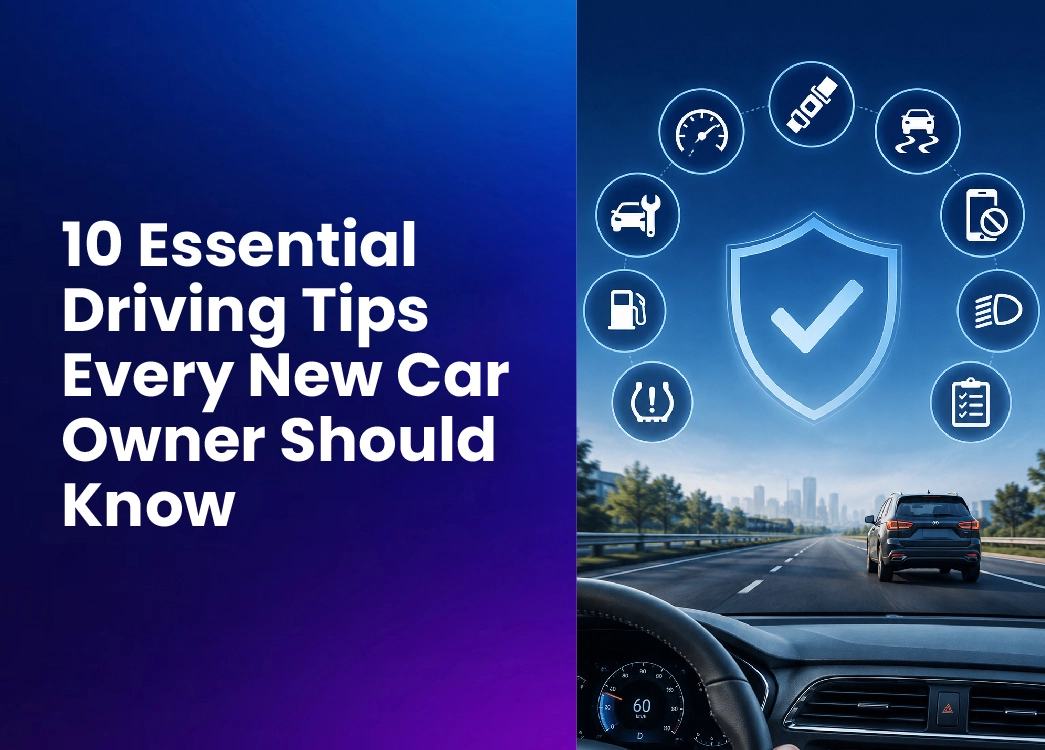
Buying your first car is an exciting milestone, but becoming confident behind the wheel takes time, practice and awareness. New car owners often have questions about everything from understanding dashboard controls to maintaining tyre pressure and knowing when their vehicle requires servicing.
Learning a few practical driving tips for new car owners can make everyday driving safer, more comfortable and less stressful.
For first-time owners, developing good habits from the beginning is essential. Simple practices such as maintaining a safe following distance, using mirrors correctly, avoiding harsh braking and responding appropriately to warning lights can improve both road safety and vehicle longevity.
“Good driving is not simply about controlling the car; it is about anticipating what happens next.”
Along with driving skills, responsible vehicle ownership also involves regular maintenance and care. Following basic car maintenance tips for beginners, keeping the cabin clean and choosing suitable car accessories can help protect your investment.
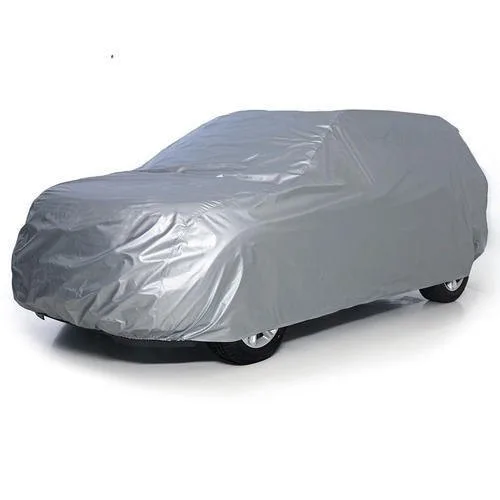
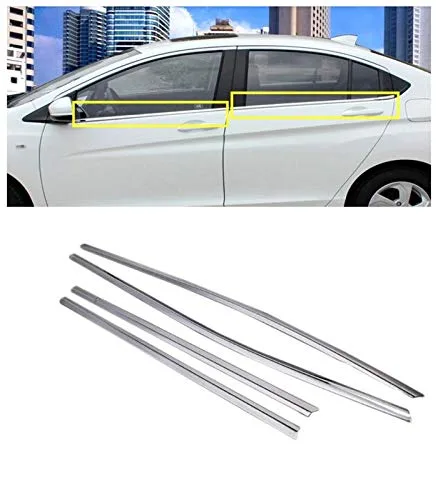
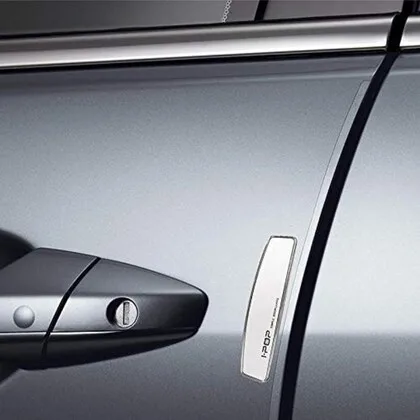
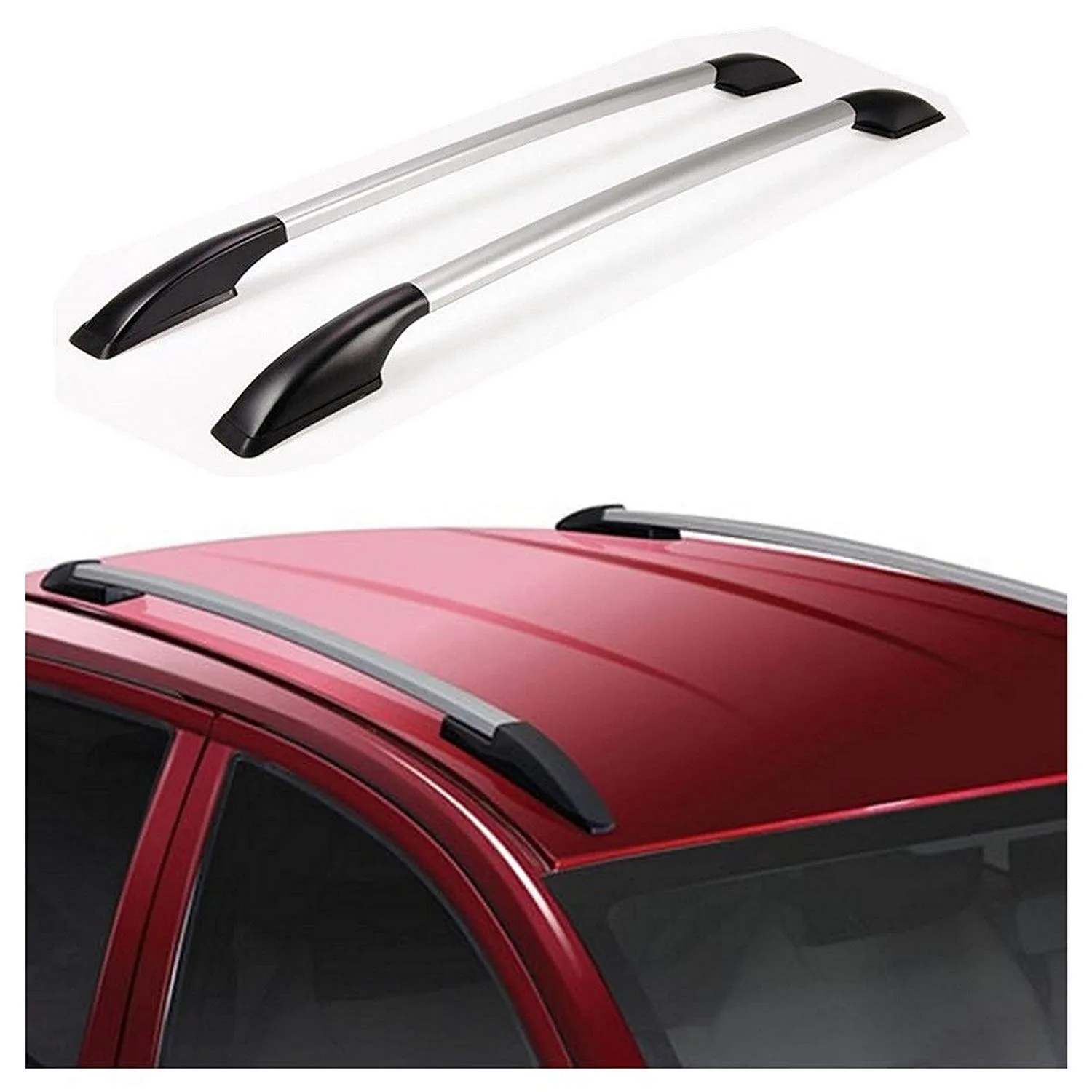
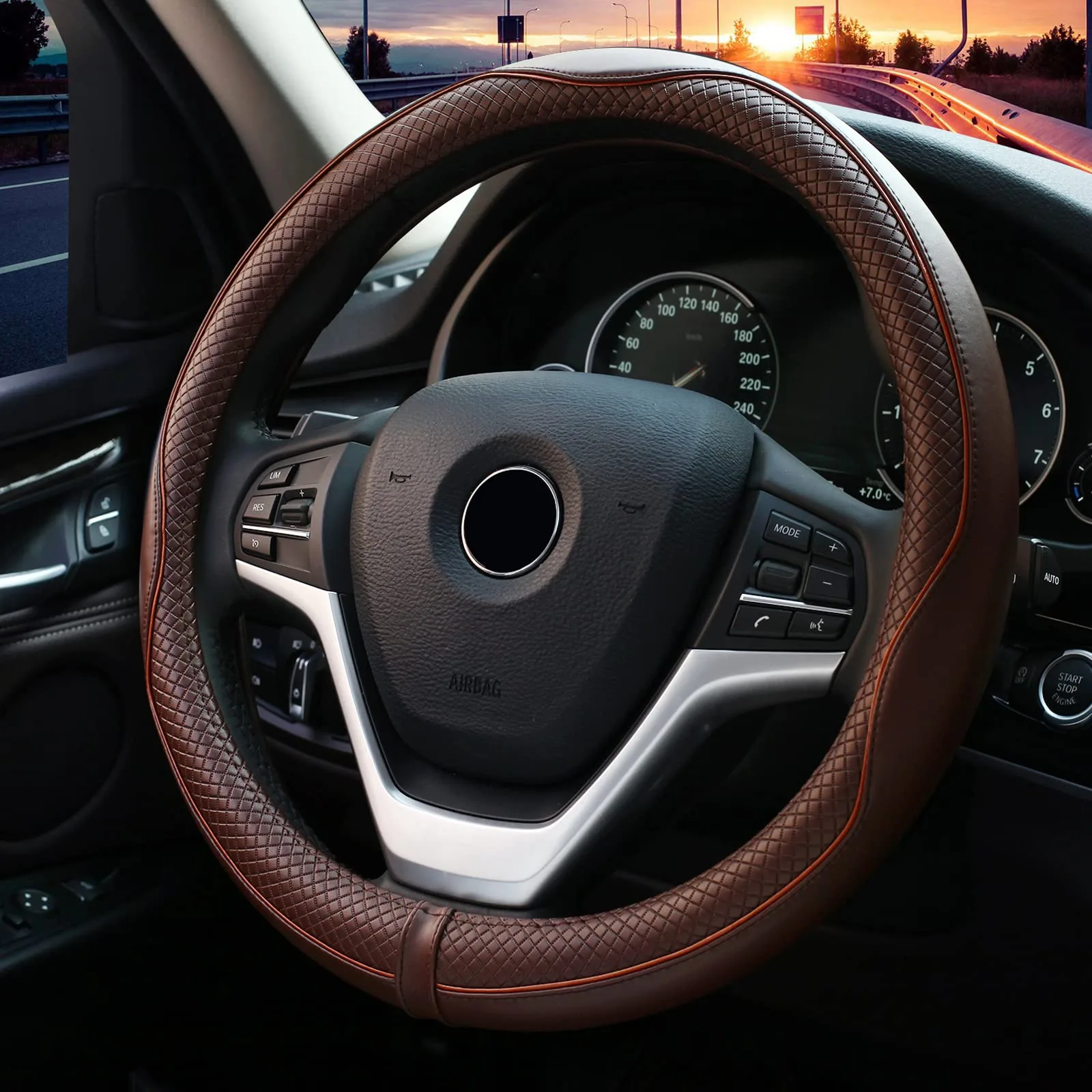
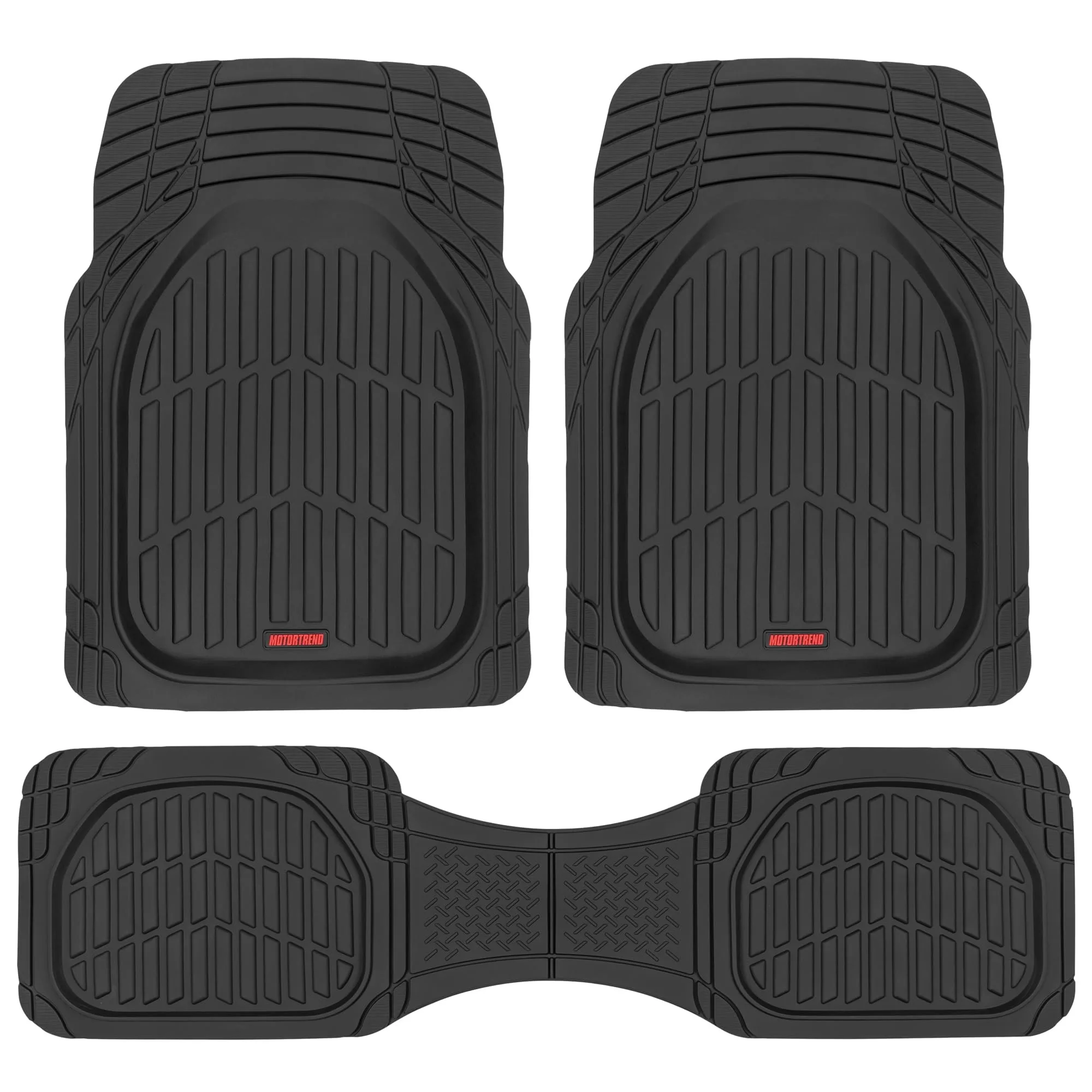
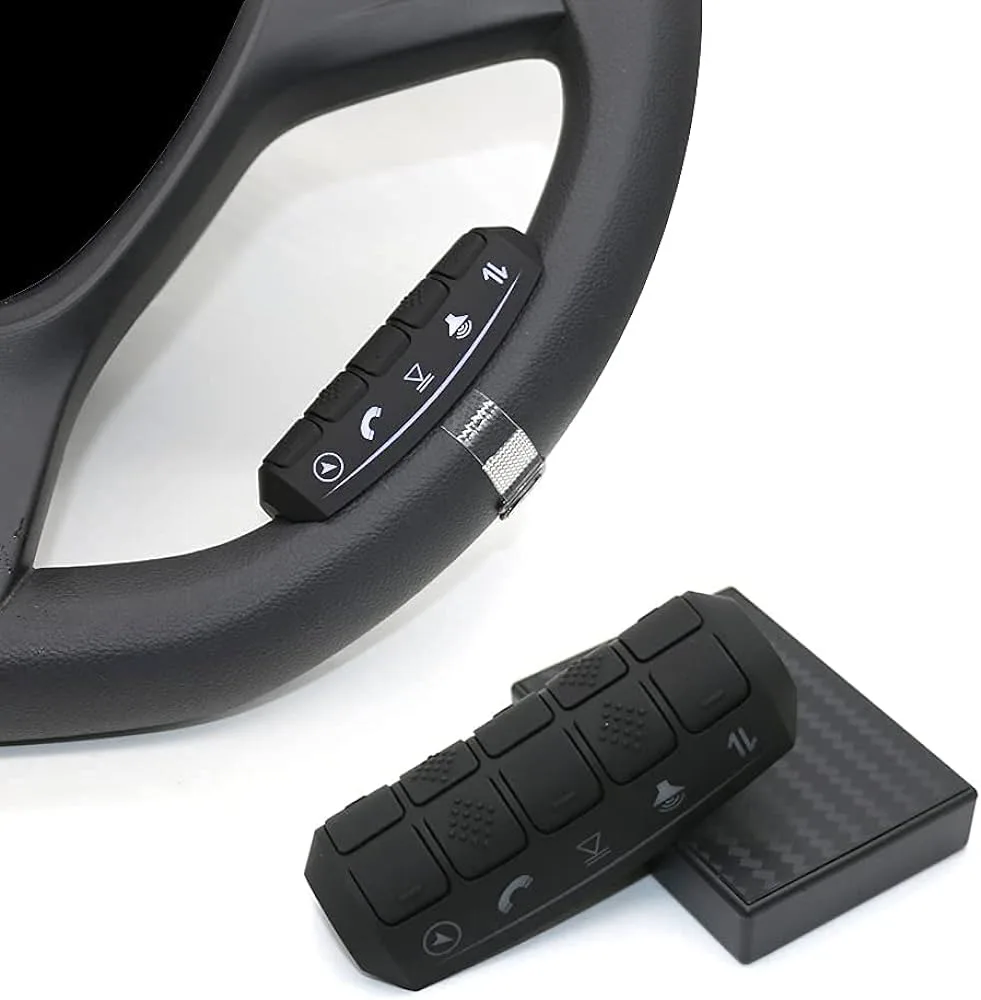
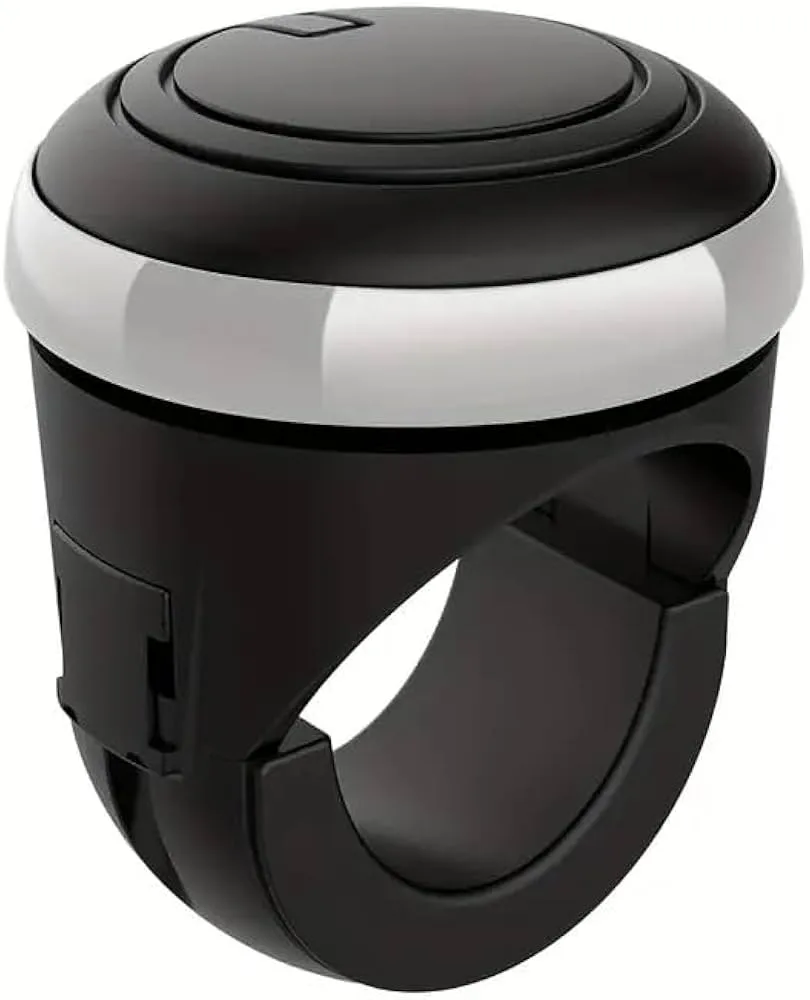
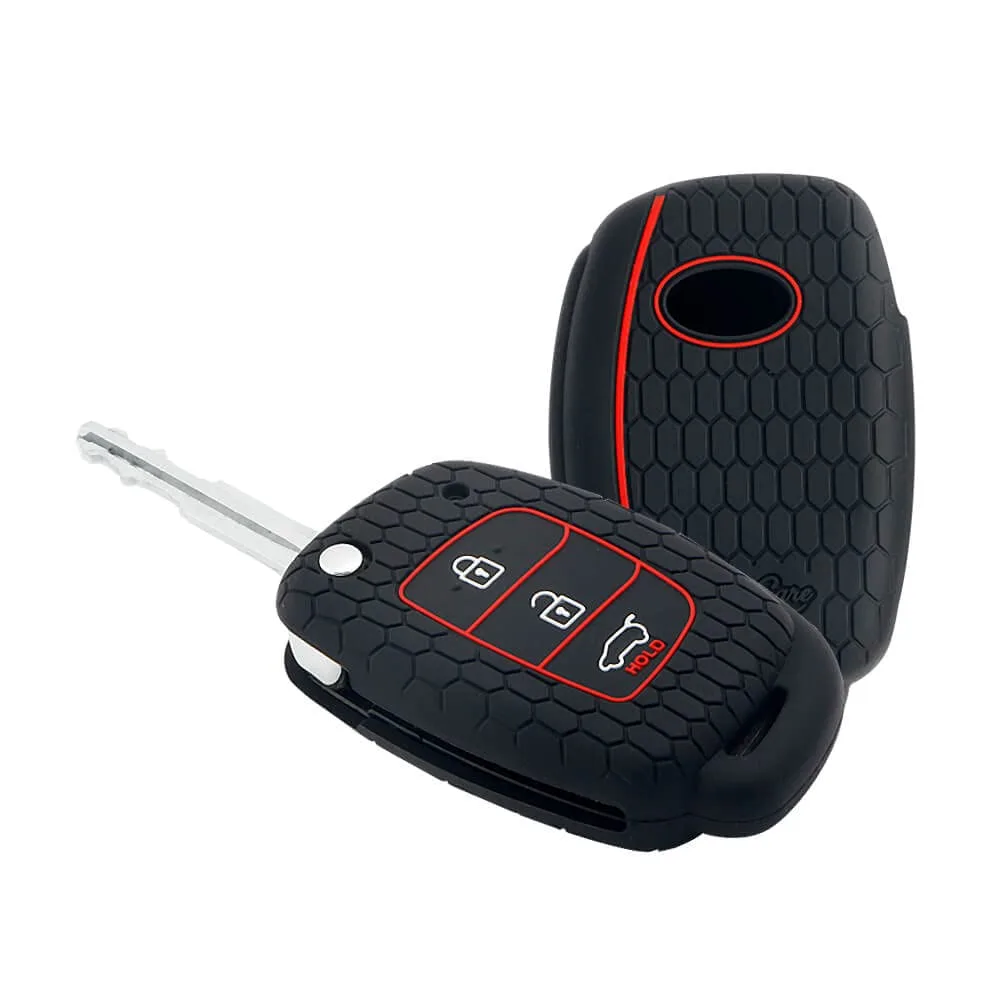
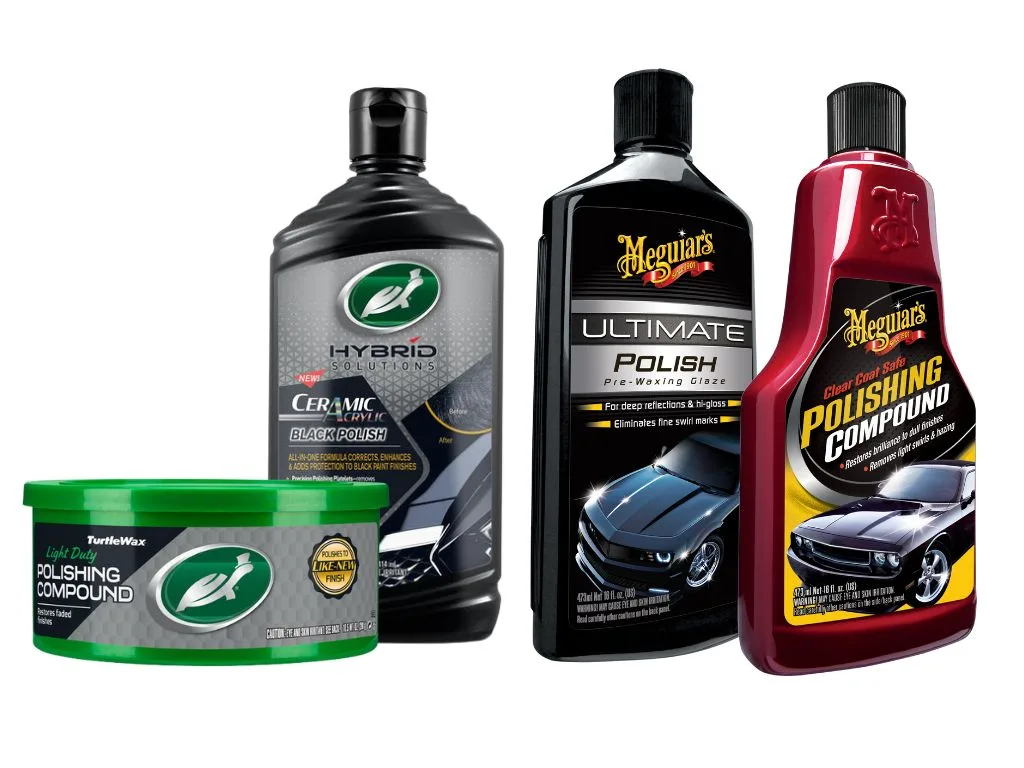
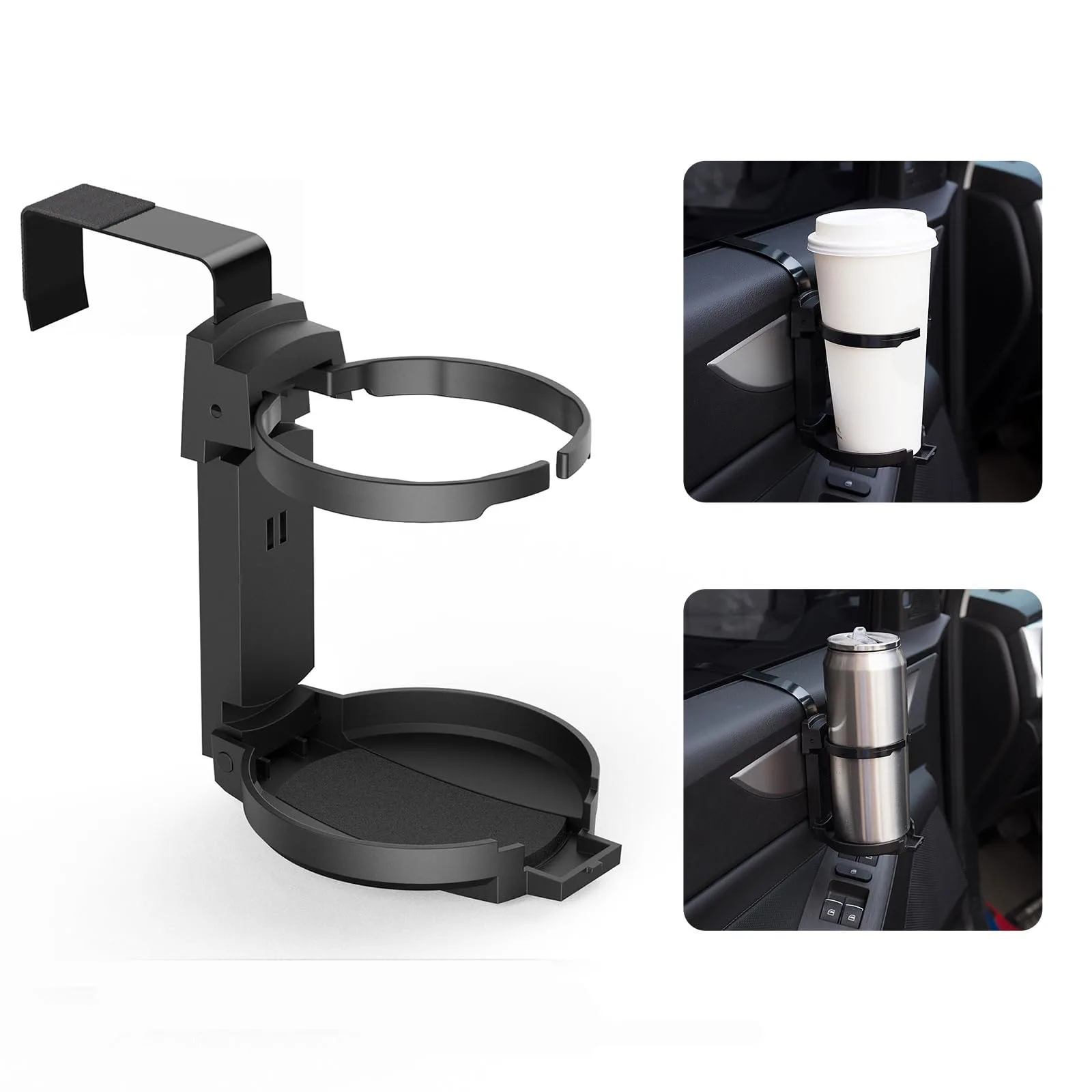
From car interior accessories such as mats and seat covers to practical organisers and phone holders, the right additions can make everyday journeys more convenient.
CRECKK provides a convenient platform for exploring practical car accessories for different vehicle requirements, helping new car owners make more informed choices for their everyday driving needs.
Whether you are learning to drive or have recently purchased your first vehicle, these car driving tips for beginners will help you develop safer driving habits and become a more responsible car owner.
1. Learn Your Car’s Controls and Features
Know your vehicle before you take on busy roads.
One of the most important beginner driving tips is to become familiar with your car before spending too much time in heavy traffic.
Every vehicle has different controls, warning systems and features. Understanding them while the car is parked can prevent confusion when you need to operate something quickly.
Start by learning:
- Dashboard warning lights
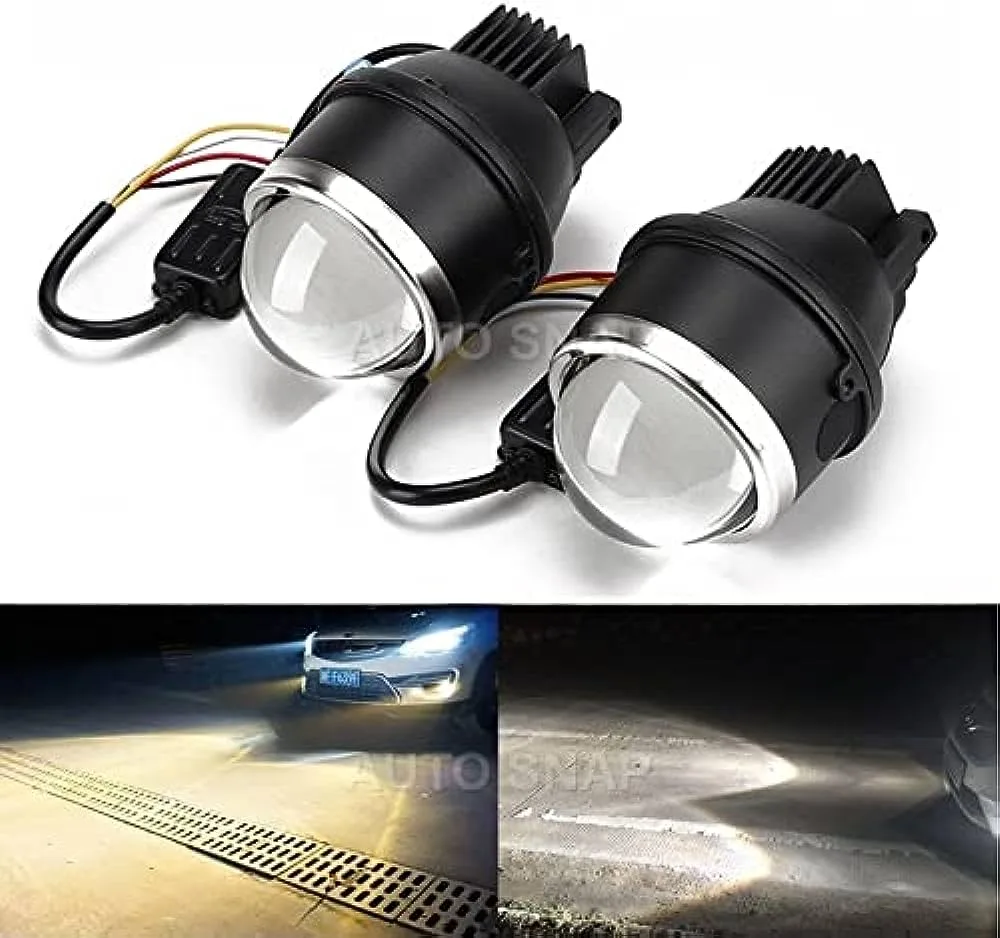
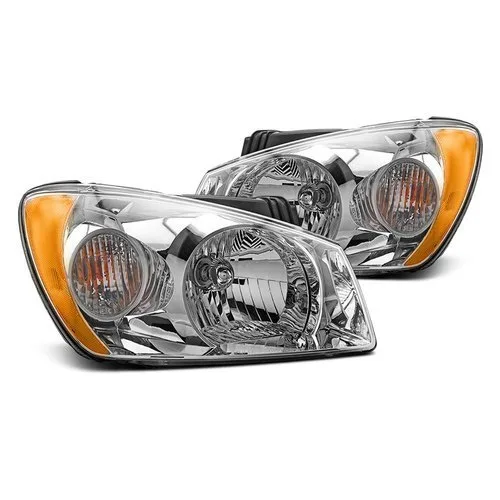
- Headlights and indicators
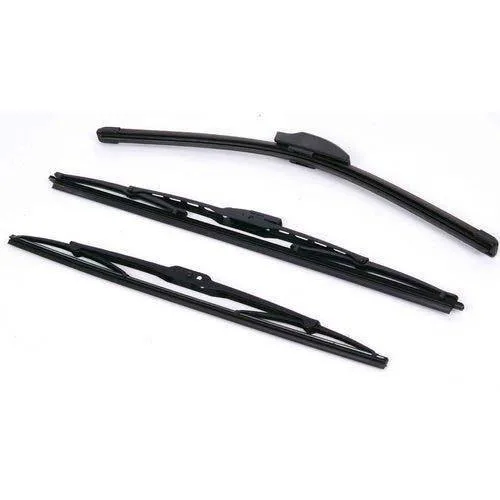
- Windscreen wipers
- Air-conditioning controls
- Infotainment system
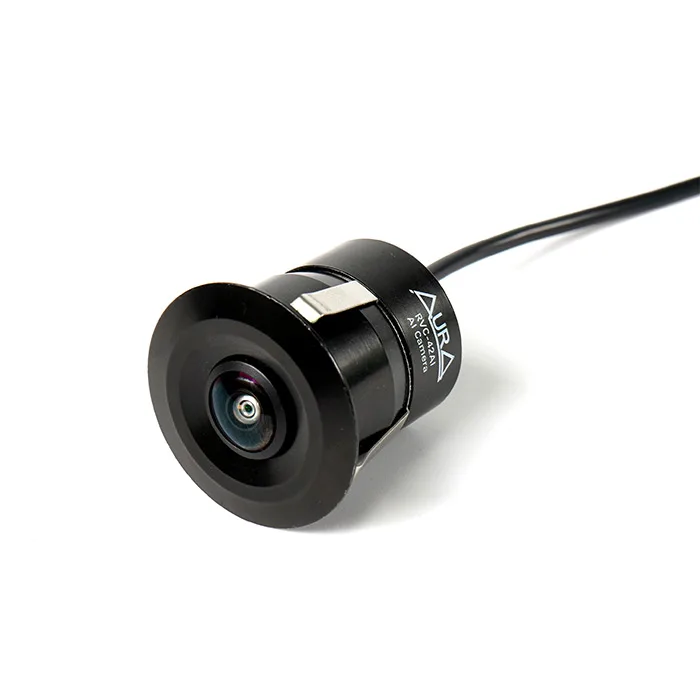
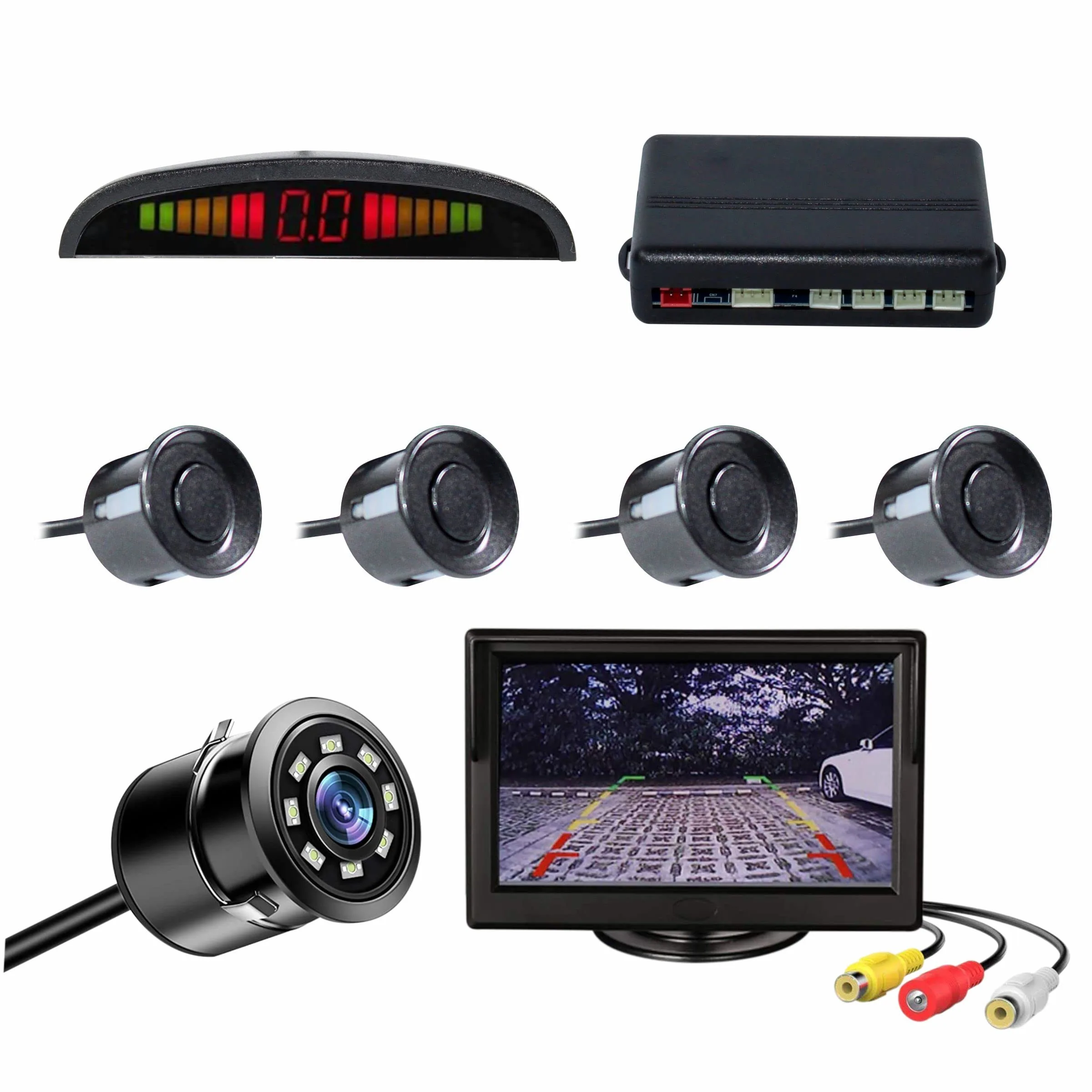
- Parking sensors and cameras
- Fuel or battery information
- Tyre-pressure monitoring system, if equipped
- Hazard lights
- Essential vehicle controls
You should also understand the meaning of important dashboard warnings related to the engine, brakes, battery, tyre pressure and temperature.
If an unfamiliar warning light appears while driving, knowing what it means will help you decide whether you can continue safely or need to stop and seek assistance.
Keep the owner's manual accessible
| Information | Why It Matters |
|---|---|
| Recommended tyre pressure | Supports safe handling and tyre life |
| Service intervals | Helps maintain the vehicle |
| Fluid specifications | Prevents incorrect fluid usage |
| Warning lights | Helps identify potential problems |
| Vehicle controls | Makes operation easier |
| Emergency procedures | Provides guidance during unexpected situations |
CRECKK Tip: Spend a few minutes exploring your vehicle while it is parked. Understanding your car before driving in traffic can significantly improve confidence and reduce distractions.
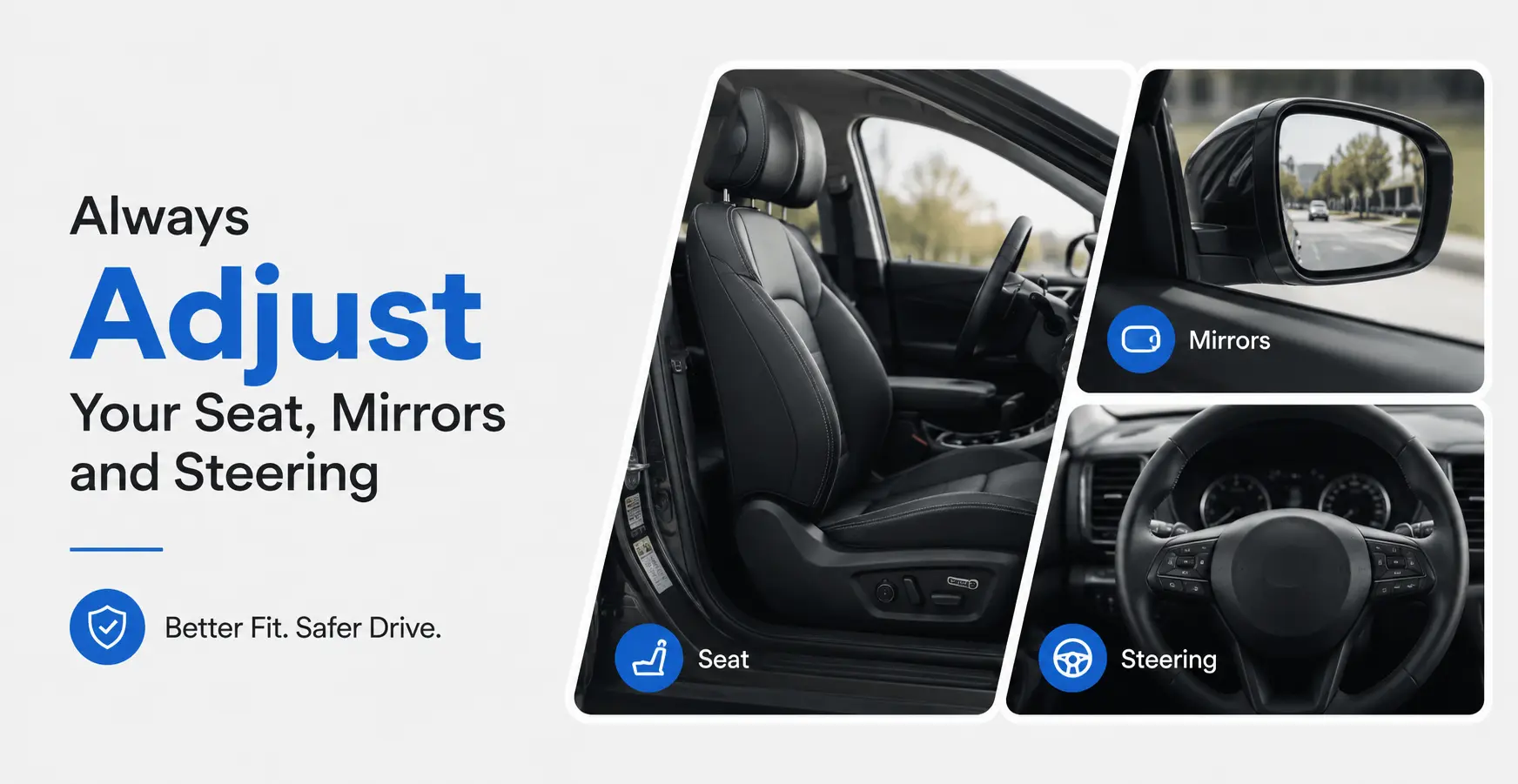
2. Always Adjust Your Seat, Mirrors and Steering
A proper driving position improves visibility and control.
Your driving position directly affects comfort, visibility and vehicle control.
Before starting the engine, adjust your seat so that you can comfortably reach the pedals without stretching your legs or sitting excessively close to the steering wheel.
Your back should remain properly supported, while your hands should comfortably reach the steering wheel.
Check these before every journey:
- Seat position
- Steering-wheel position
- ORVMs
- IRVM
- Head-rest position
- Seat-belt position
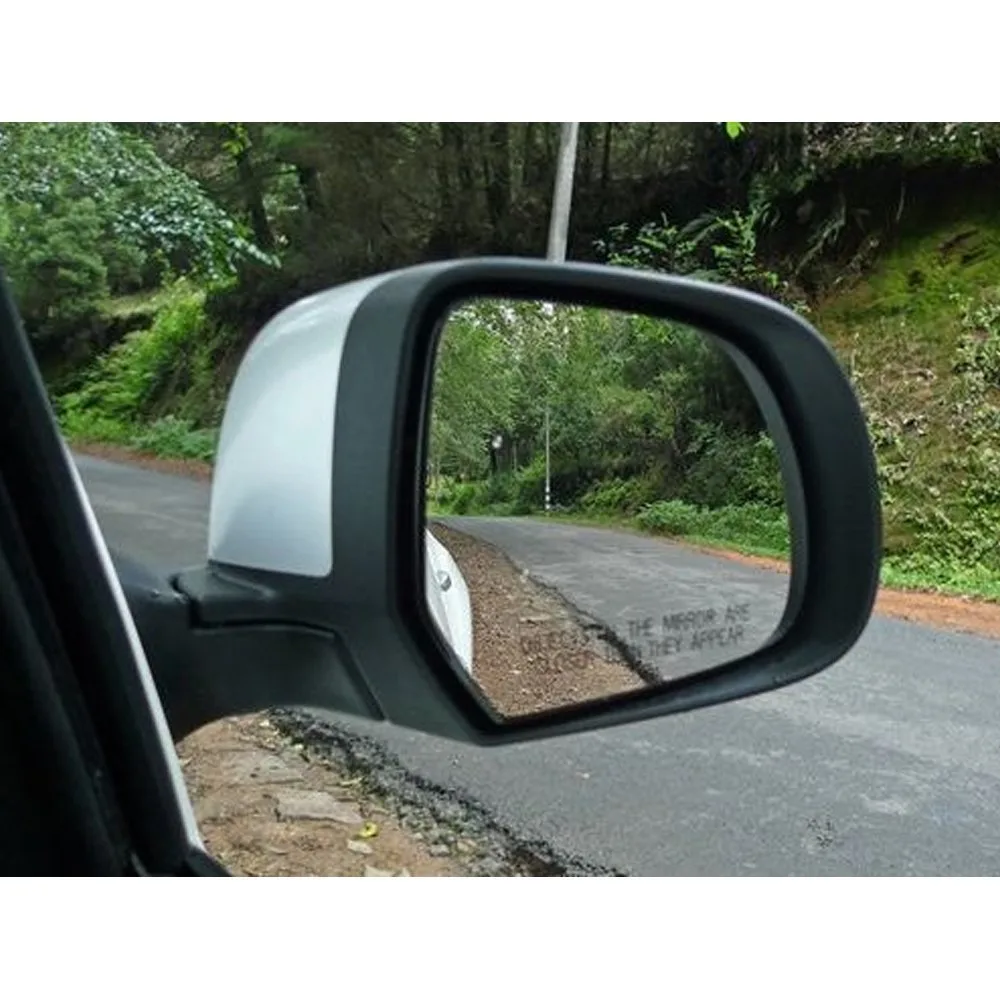
The outside mirrors should provide a useful view of the areas beside and behind the vehicle while helping minimise blind spots.
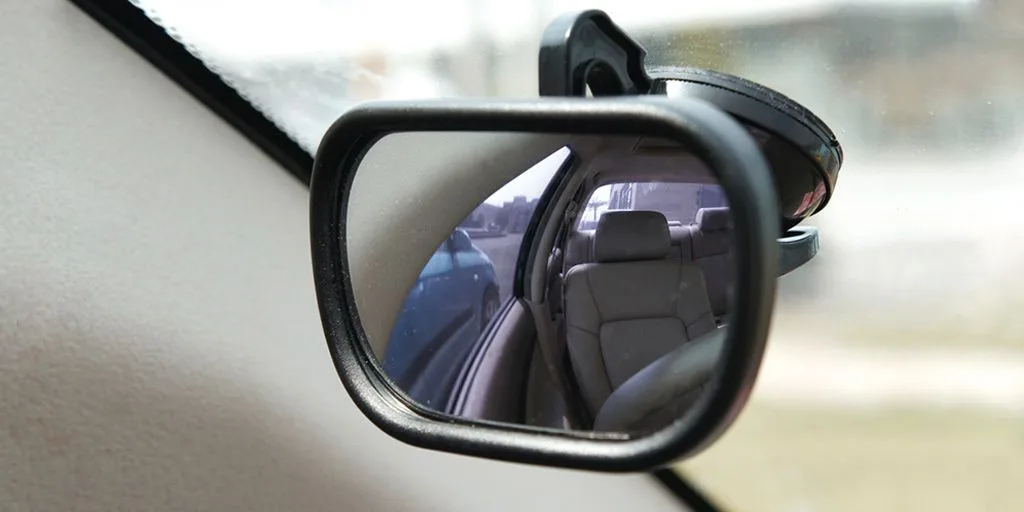
The inside rear-view mirror should provide a clear view through the rear windshield.
Remember: If another person has driven your car, always check the seat and mirror positions before starting your journey.
An appropriate driving position makes parking, turning, reversing and judging distances easier. These new driver tips are particularly useful for people who are still developing their driving confidence.
3. Maintain a Safe Following Distance
Give yourself enough time to react.
Maintaining sufficient space between your car and the vehicle ahead is one of the most important safe driving tips for beginners.
New drivers sometimes concentrate heavily on the vehicle directly ahead without considering how much stopping distance they actually need.
Use the 3-Second Rule
Choose a fixed object such as:
- A road sign
- Tree
- Streetlight
- Building
- Road marking
When the vehicle ahead passes the object, begin counting:
“One thousand one, one thousand two, one thousand three.”
Your vehicle should reach the same point only after approximately three seconds.
Increase the gap when:
- It is raining
- Visibility is poor
- You are driving at night
- Roads are slippery
- Traffic is unpredictable
- You are travelling at higher speeds
On highways, maintaining adequate distance becomes even more important because vehicles are generally travelling faster.
Safety First: A larger following distance gives you more time to identify hazards and respond smoothly instead of relying on sudden braking.
Learning to judge distance takes practice. Keep scanning the road several vehicles ahead rather than focusing exclusively on the car immediately in front.
4. Avoid Aggressive Acceleration and Braking
Smooth inputs create a smoother driving experience.
One of the most practical car driving tips for beginners is to avoid repeatedly accelerating aggressively and then braking suddenly.
Hard acceleration can increase fuel consumption, especially in stop-and-go traffic. Instead, accelerate progressively and allow the vehicle to build speed naturally.
Similarly, if you can see traffic slowing ahead, begin reducing speed early rather than waiting until the last moment.
Benefits of smoother driving
| Driving Habit | Potential Benefit |
|---|---|
| Gradual acceleration | Better control and potentially improved fuel efficiency |
| Early braking | Reduces sudden stops |
| Smooth steering | Improves passenger comfort |
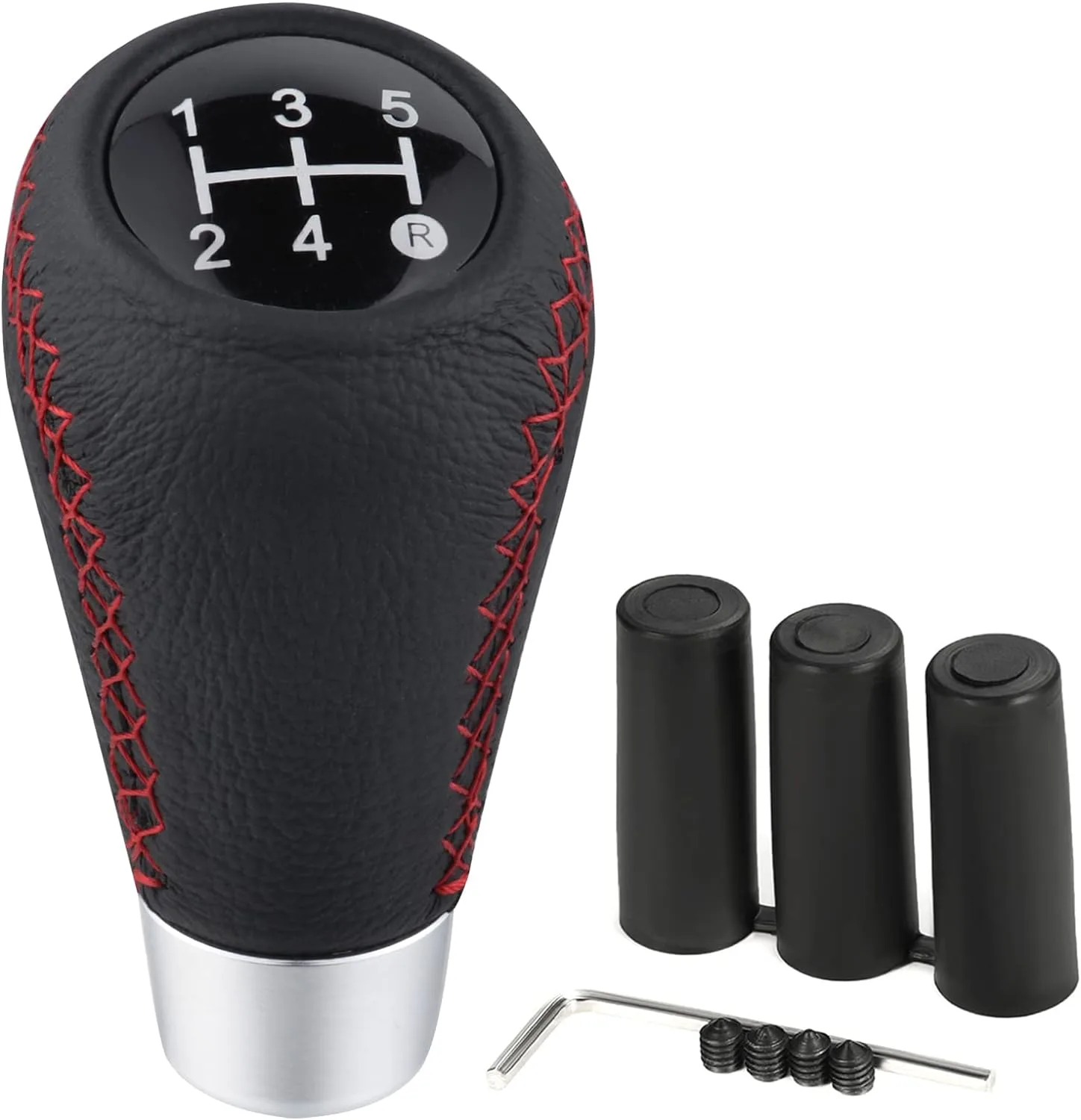
| Correct gear selection | Supports smoother manual driving |
| Avoiding clutch abuse | Can reduce unnecessary clutch wear |
| Anticipating traffic | Reduces frequent acceleration and braking |
Smooth driving does not mean driving unnecessarily slowly. It means maintaining an appropriate speed, leaving enough space and making deliberate inputs.
“The best drivers are not constantly reacting to traffic; they are anticipating it.”
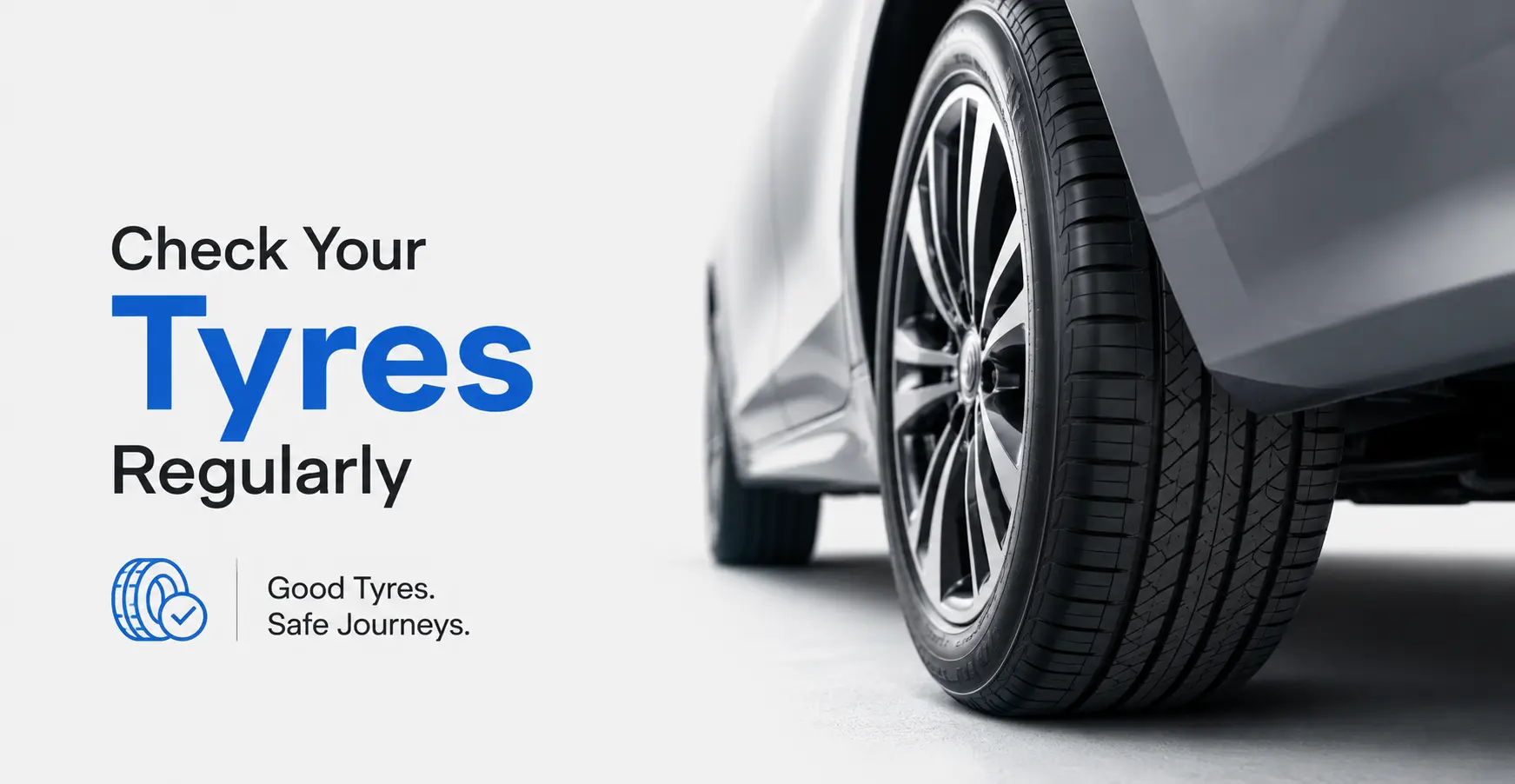
5. Check Your Tyres Regularly
Your tyres are your connection to the road.
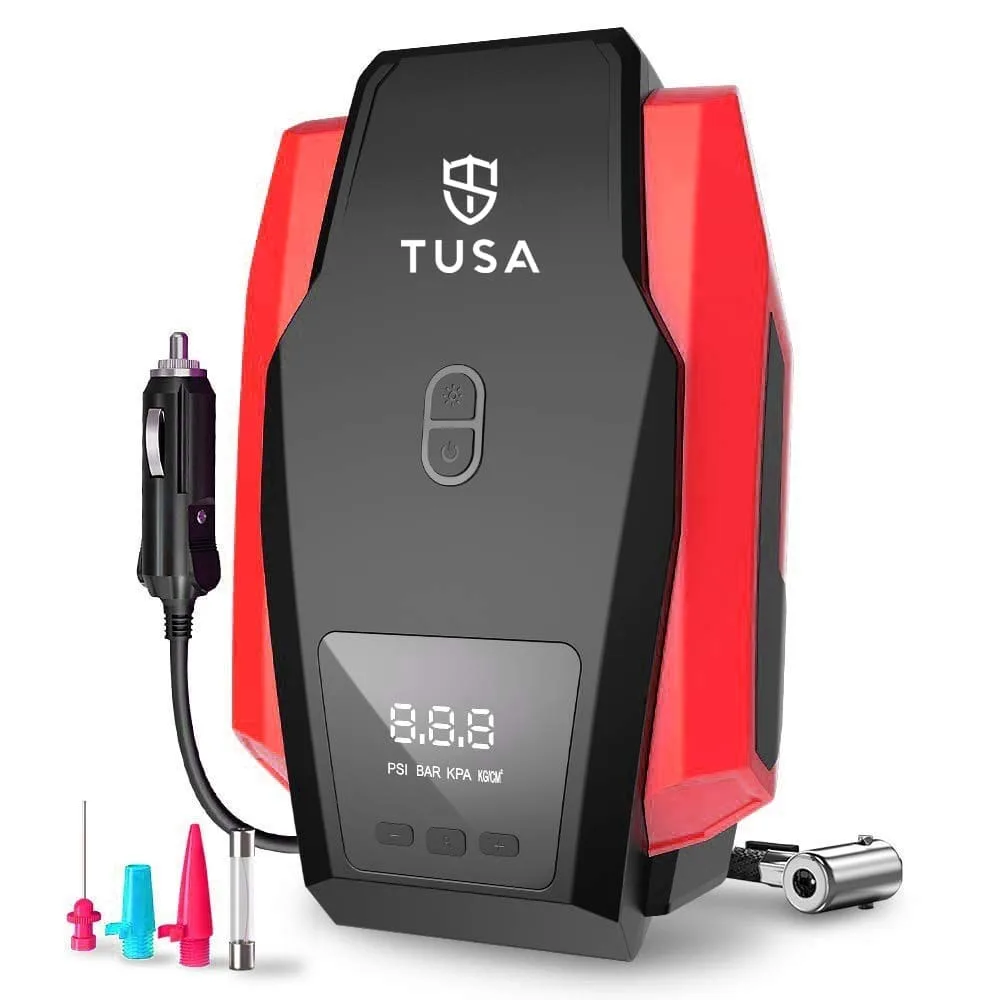
Tyres are the only components of your vehicle that directly contact the road, making their condition critical to safety.
Regular tyre inspection should therefore be part of your car maintenance tips for beginners.
What should you check?
1. Tyre Pressure
Follow the pressure recommended by your vehicle manufacturer.
The correct figure is generally available:
- Inside the driver's door area
- On the vehicle information label
- In the owner's manual
Do not rely solely on the maximum pressure printed on the tyre sidewall.
2. Tread Condition
Look for:
- Excessive tread wear
- Uneven wear
- Cuts
- Cracks
- Bulges
- Embedded objects
3. Spare Tyre
Do not forget to inspect the spare tyre periodically. A spare tyre is only useful during an emergency if it is properly inflated and in usable condition.
4. Uneven Wear
Uneven tyre wear may indicate a problem with:
- Wheel alignment
- Suspension
- Tyre pressure
- Other vehicle components
If you notice unusual wear, have the vehicle professionally inspected.
CRECKK Tip: Make tyre checks part of your regular car-care routine, particularly before highway trips or long journeys.
6. Follow Your Car’s Service Schedule
Preventive maintenance is better than unexpected repairs.
A new car may feel like it requires very little attention, but regular servicing is essential for maintaining reliability.
One of the most important new car owner tips is to follow the maintenance schedule recommended by the manufacturer.
Pay attention to:
- Engine oil
- Oil filters
- Air filters
- Brake components
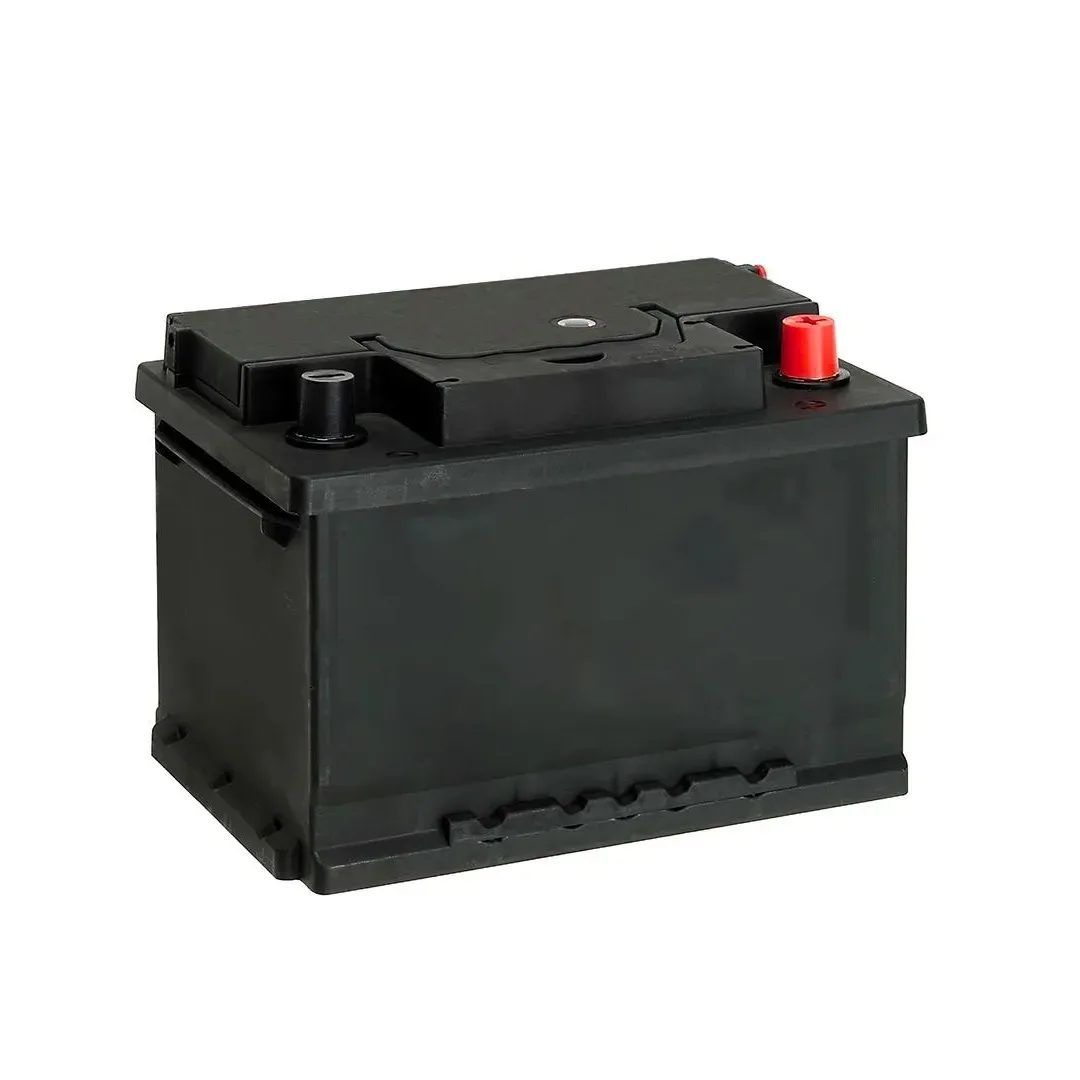
- Battery condition
- Coolant
- Other manufacturer-recommended checks
The exact service interval varies between models, so always refer to the owner's manual or official manufacturer information.
Maintain a service record
| Record | Details |
|---|---|
| Service date | When the vehicle was serviced |
| Odometer reading | Vehicle mileage |
| Work performed | Parts or maintenance completed |
| Parts replaced | Components changed |
| Next service | Recommended future interval |
Maintaining accurate records can make future maintenance easier and may also be useful when you eventually sell the vehicle.
Remember: Do not wait for a noticeable problem before maintaining your vehicle. Preventive maintenance can help identify smaller issues before they become expensive repairs.
7. Keep Your Car Interior Clean and Protected
A clean cabin makes everyday driving more comfortable.
Your vehicle's interior is exposed to dust, food spills, sunlight, passengers and regular wear. Keeping it clean is not simply about appearance. Regular cleaning can also help preserve the condition of the cabin.
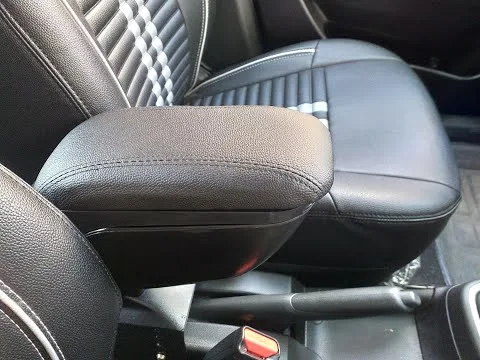
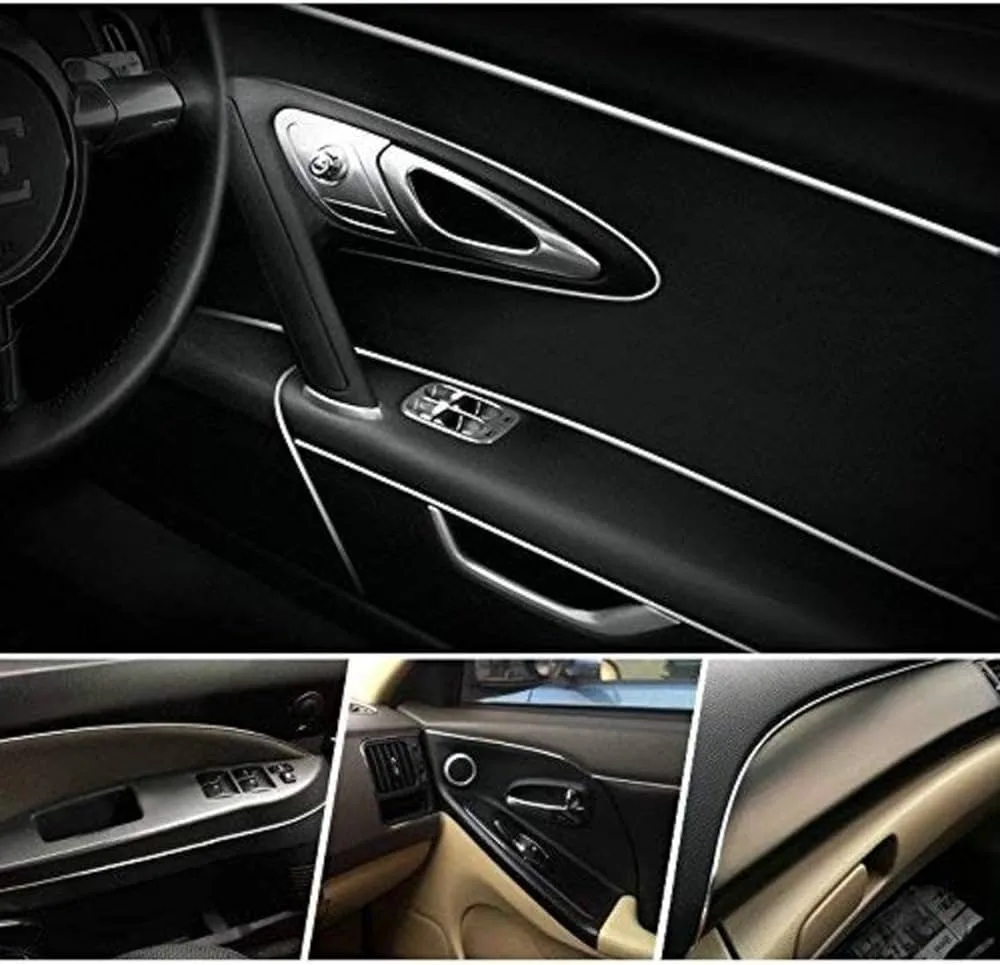
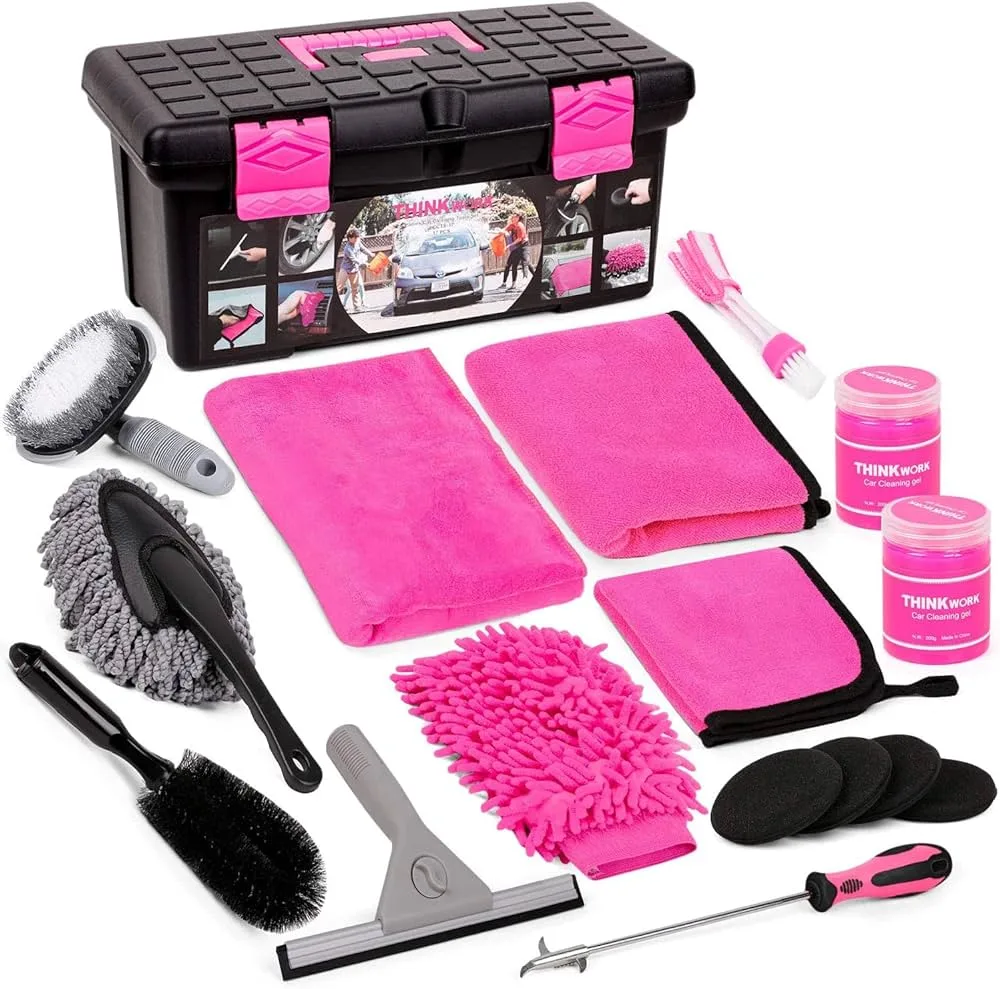
Practical car interior accessories can provide additional convenience and protection.
Useful accessories for your car interior include:
- Car mats – Help protect flooring from dirt, mud and moisture.
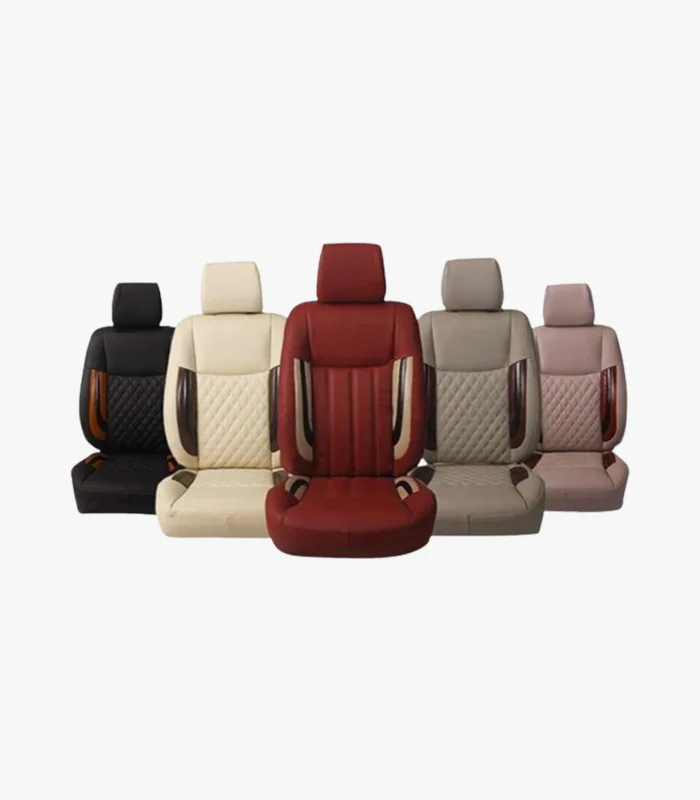
- Car seat covers – Provide an additional layer of protection against everyday stains and wear.
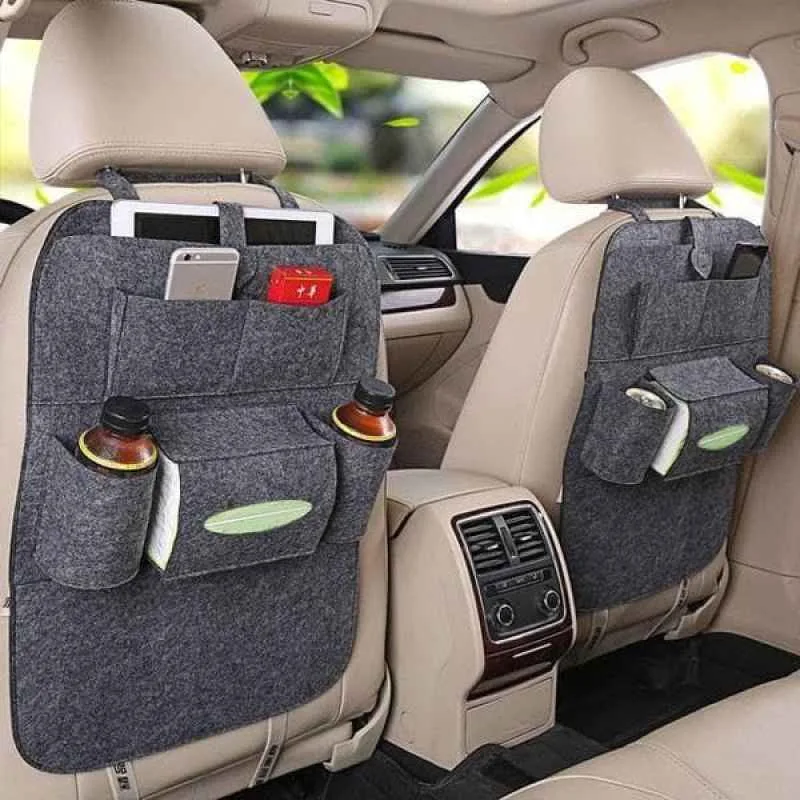
- Car seat organizer – Helps keep bottles, documents and smaller belongings organised.
- Car dashboard accessories – Can improve convenience when selected and positioned safely.
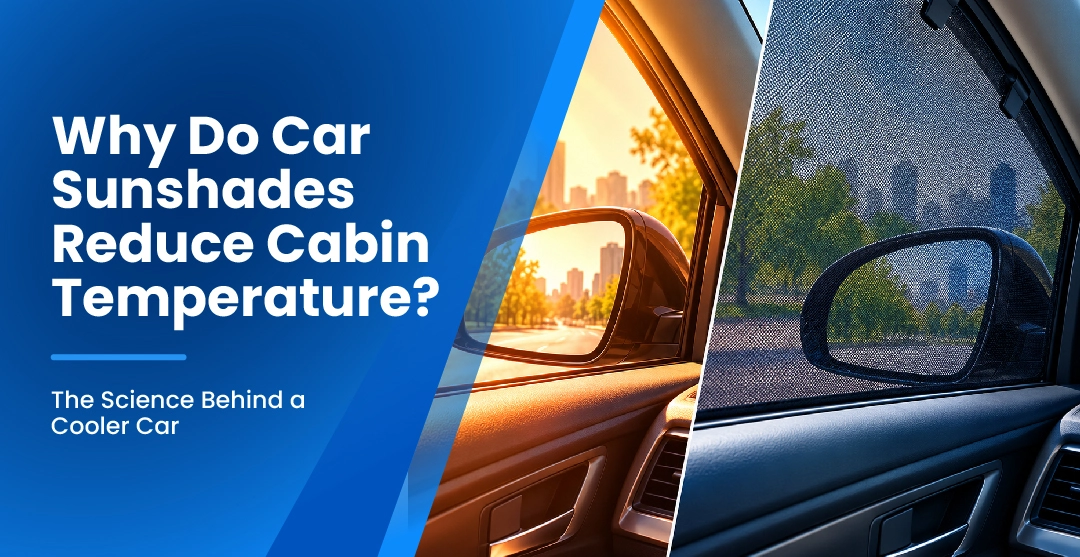
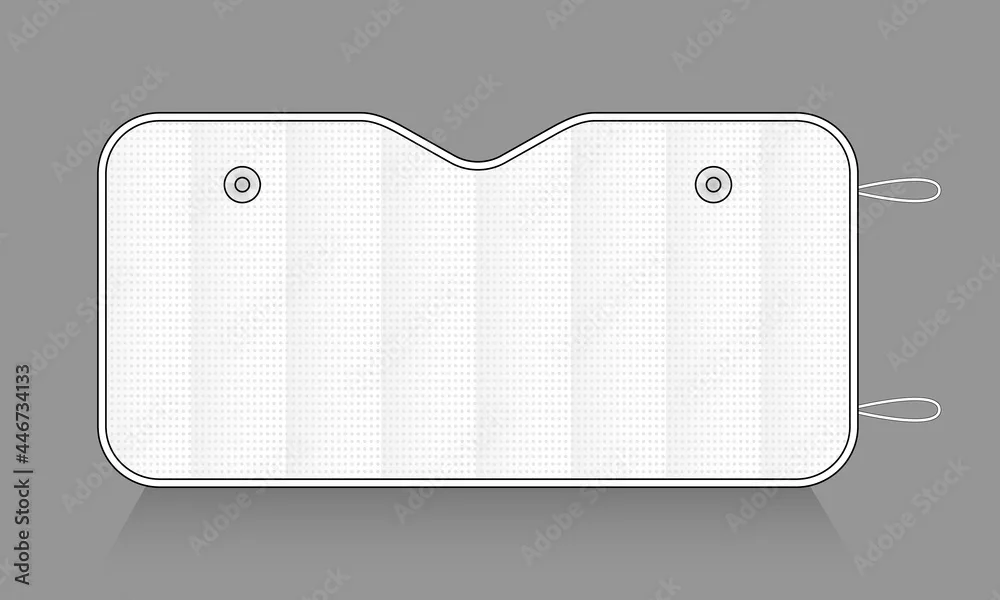
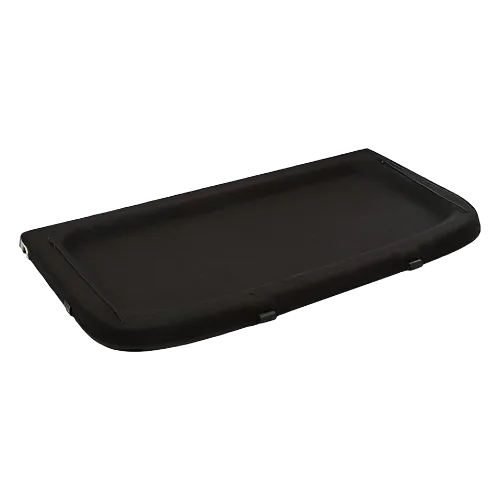
- Car sun shade – Helps reduce direct sunlight when the vehicle is parked.
Choose accessories carefully
Accessories should never:
- Block your visibility
- Interfere with airbags
- Obstruct pedals
- Cover important controls
- Create unnecessary distractions
CRECKK Tip: Choose vehicle-specific accessories that fit properly and complement the original safety systems of your car.
CRECKK offers a convenient platform for car owners looking for practical car accessories suited to their everyday requirements. From interior protection to organisation and convenience, selecting the right products can make daily car ownership easier.
8. Learn How to Drive Safely in Different Conditions
Good drivers adapt to the road.
Driving conditions can change quickly. Beginners should therefore learn to adjust their driving style according to weather, traffic and road conditions.
| Driving Condition | Recommended Approach |
|---|---|
| Rain | Reduce speed when necessary and increase following distance |
| Highway | Maintain appropriate speed and sufficient distance |
| Heavy traffic | Stay patient and avoid unnecessary lane changes |
| Night | Use headlights appropriately and reduce distractions |
| Slippery roads | Avoid sudden steering, braking and acceleration |
| Poor visibility | Slow down and increase your reaction time |
Rain
Wet roads can reduce tyre grip. Avoid sudden braking, steering or acceleration and maintain additional distance from other vehicles.
Highways
Maintain a steady and appropriate speed. Check your mirrors regularly and signal before changing lanes.
Traffic
Avoid unnecessary lane changes and remain patient. Look several vehicles ahead whenever possible so you can anticipate slowdowns.
Night Driving
Keep your windscreen clean and use headlights appropriately. Reduce distractions and remain particularly alert to pedestrians, cyclists and poorly lit areas.
Driving Principle: Defensive driving means anticipating potential hazards instead of assuming every road user will behave predictably.
9. Avoid Distracted Driving
Your attention belongs on the road.
Distracted driving is one of the most preventable driving risks. Even a short period of looking away from the road can reduce your ability to respond to sudden changes in traffic.
Before moving, make sure you have:
- Set your navigation
- Adjusted the mirrors
- Adjusted the seat
- Set the climate controls
- Secured loose belongings
- Connected your phone if required
- Selected your music or audio
Do not use your phone while driving. If you need to make a call, send a message or change something on your phone, stop safely before doing so.
If your car supports smartphone integration or voice controls, use them responsibly and avoid unnecessary interaction while moving.
Passengers can also become a source of distraction, particularly during intense conversations.
Rule to Remember: Prepare everything you need before the car starts moving.
For beginners, this is one of the easiest beginner driving tips to develop into a permanent habit.
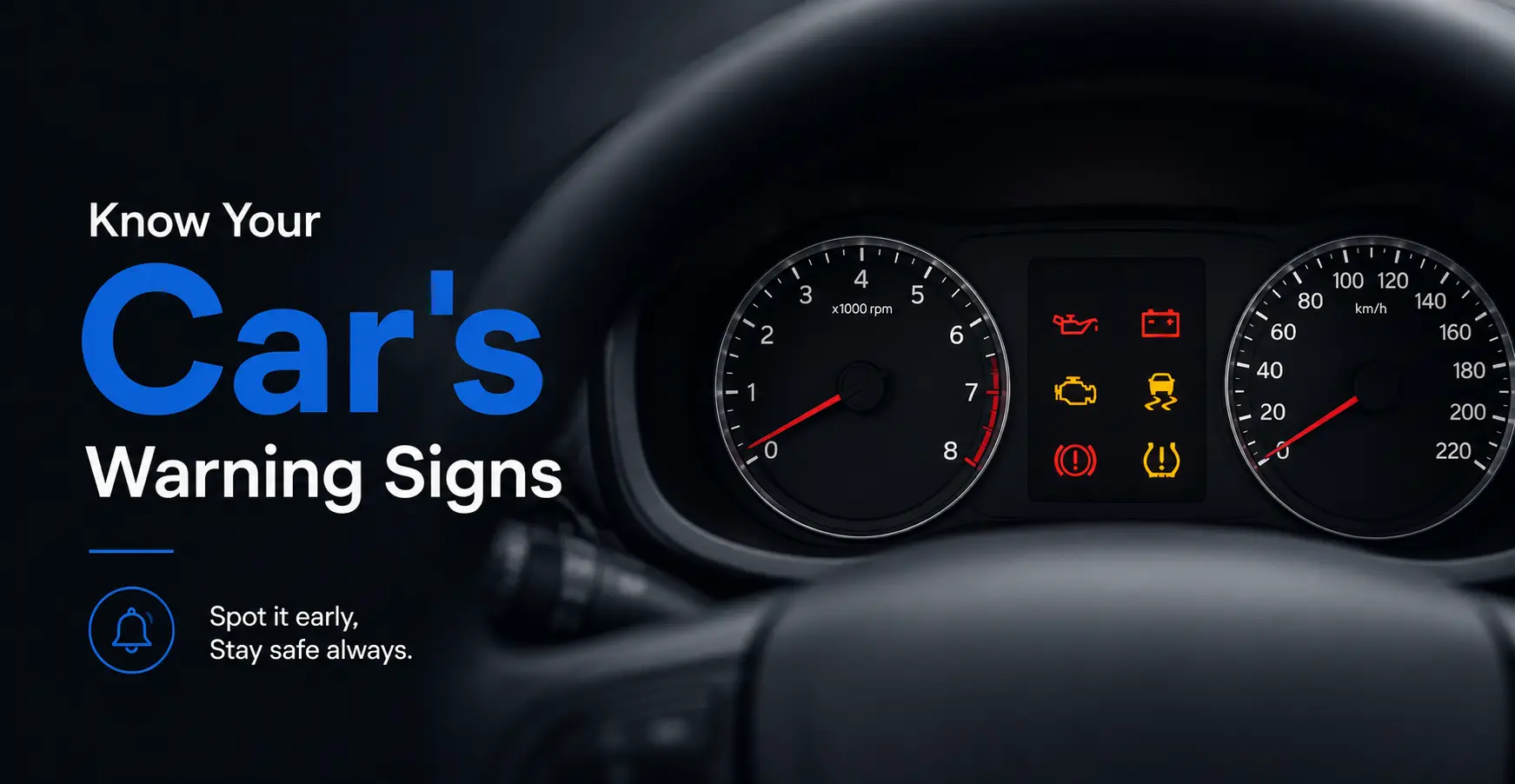
10. Know Your Car’s Warning Signs
Never ignore what your dashboard is telling you.
Your dashboard contains important information about the vehicle's operating condition. Understanding common warning lights can help you respond appropriately when something requires attention.
| Warning | Possible Meaning | Recommended Action |
|---|---|---|
| Check-engine light | Engine or emissions-related issue | Refer to the manual and arrange inspection |
| Tyre-pressure warning | Low tyre pressure | Check tyre pressure safely |
| Brake warning | Parking brake, fluid or braking-system issue | Investigate promptly |
| Battery warning | Charging-system issue | Have the vehicle inspected |
| Temperature warning | Engine overheating | Stop safely and follow manufacturer guidance |
The exact meaning of a warning light varies between vehicles, so always refer to your owner's manual.
Pay particular attention to:
- Brake warnings: Potential braking-system problems should never be ignored.
- Battery warnings: A charging-system issue may require prompt attention.
- Overheating warnings: Continuing to drive an overheating vehicle can cause serious mechanical damage.
Safety First: If the vehicle shows signs of a serious braking problem, overheating or another critical fault, stop safely and seek professional assistance.
Bonus: Practical Car Accessories Every New Owner Should Consider
Make every journey more convenient with the right accessories.
New car owners do not need to fill their vehicle with unnecessary products. Instead, focus on accessories that provide genuine value, improve organisation or protect frequently used areas of the car.
| Car Accessory | Main Benefit |
|---|---|
| Car phone holder | Makes navigation more convenient |
| Car sun shade | Helps reduce direct sunlight when parked |
| Car seat organizer | Keeps smaller belongings organised |
| Car mats | Helps protect the vehicle floor |
| Car seat covers | Adds protection against stains and wear |
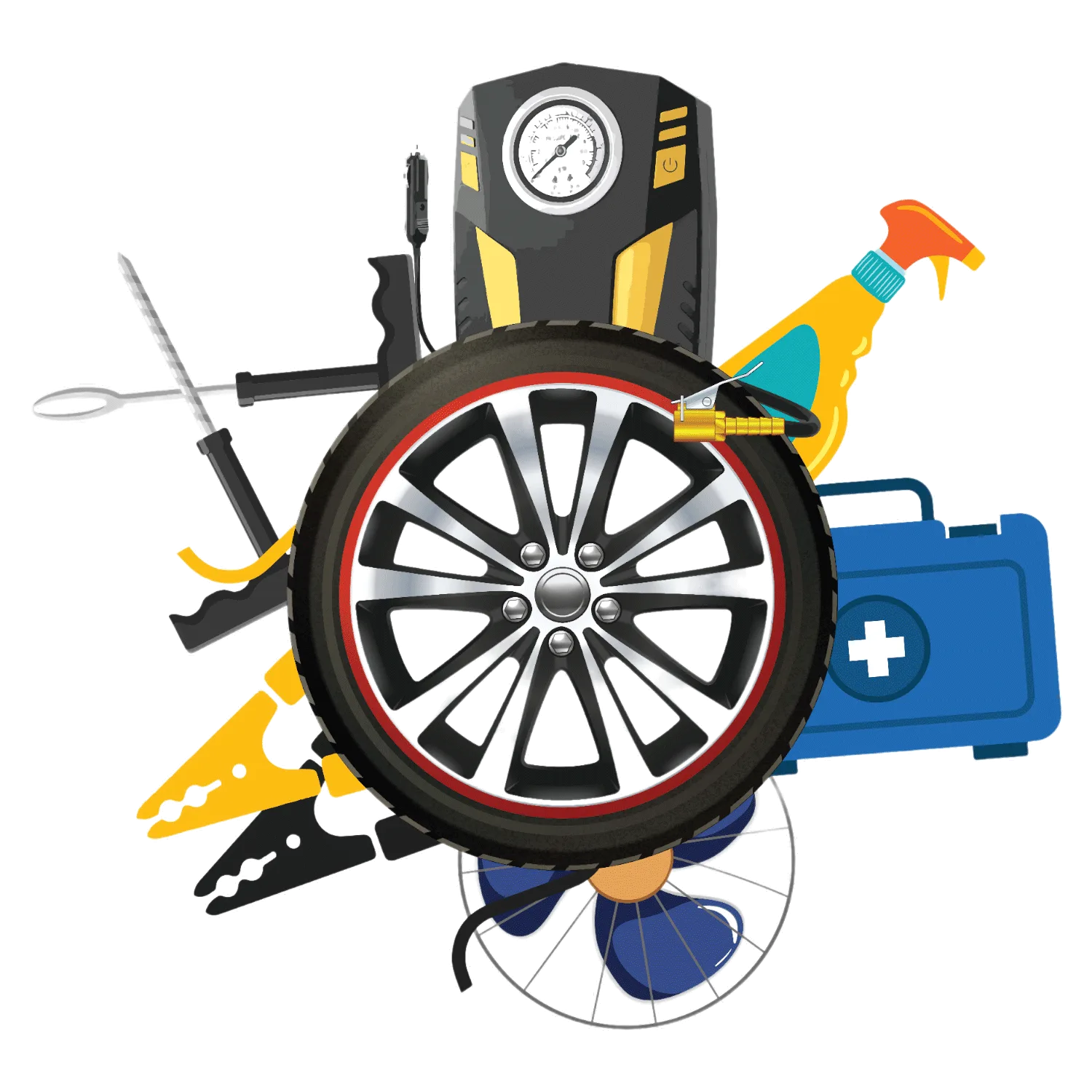
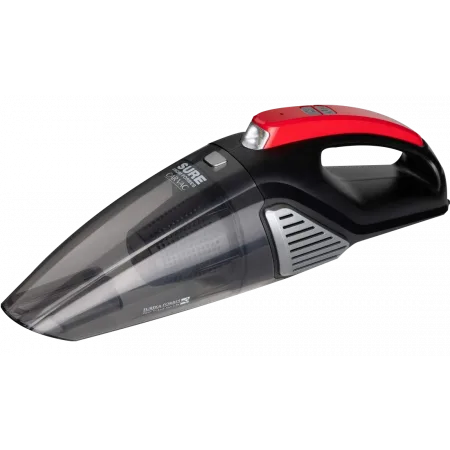
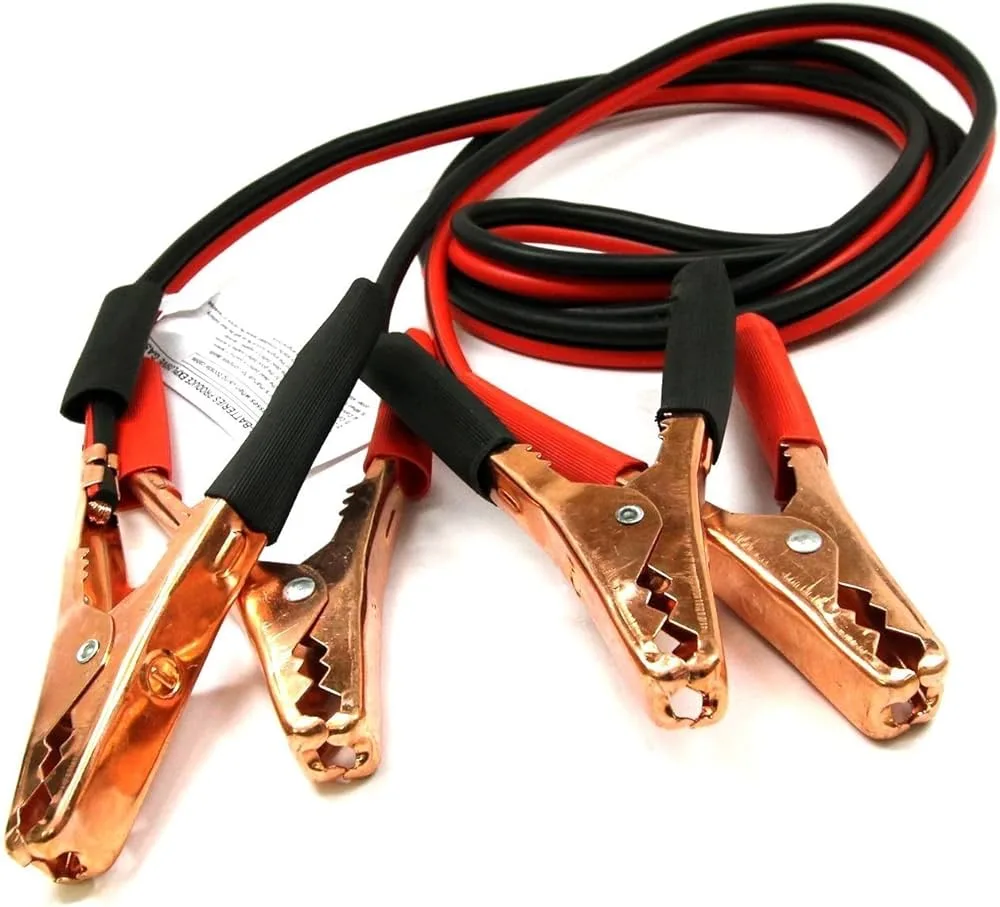
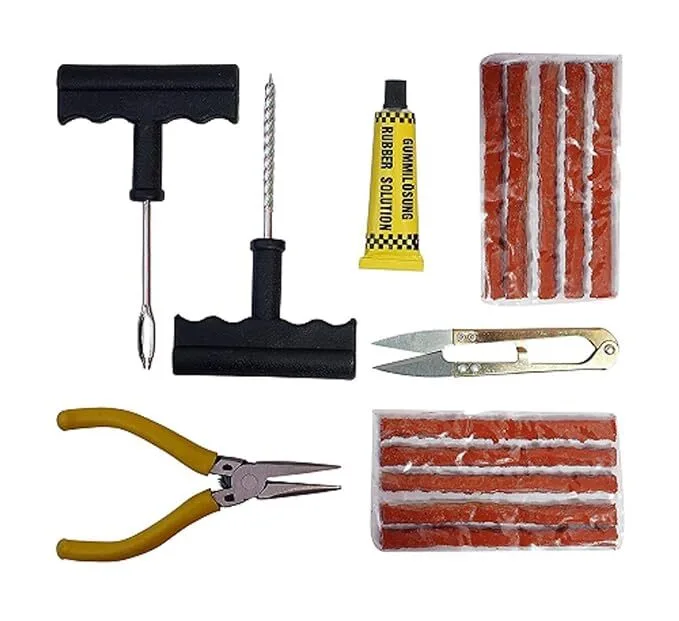
| Car emergency accessories | Can provide useful support during unexpected situations |
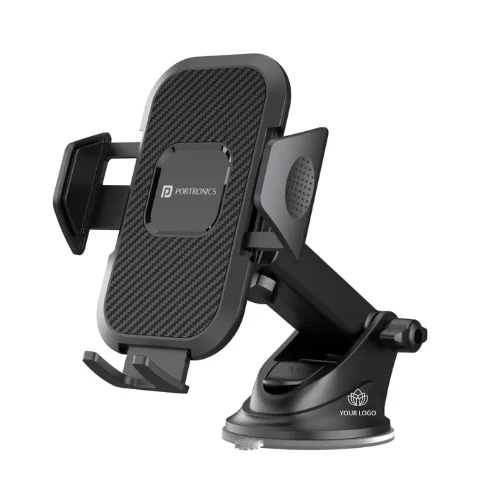
A car phone holder can be particularly useful for navigation when positioned correctly and without obstructing your view.
A car sun shade can help reduce direct sunlight entering the cabin when your vehicle is parked.
Similarly, car mats and seat covers can simplify regular cleaning, while a car seat organizer can help reduce cabin clutter.
Why Choose CRECKK for Car Accessories?
CRECKK provides a convenient platform for exploring different car accessories based on everyday vehicle requirements.
Whether you are looking to protect your car's interior, improve organisation or add useful convenience features, choosing the right product starts with understanding your specific needs.
Before buying an accessory, consider:
- Your vehicle's make and model
- Product compatibility
- Material and build quality
- Installation requirements
- Practicality for daily use
- Impact on vehicle safety
- Ease of cleaning and maintenance
“A good car accessory should add convenience without compromising safety.”
The focus should always be on practical value rather than purchasing accessories simply because they are popular.
Quick Checklist for New Car Owners
Keep these essentials in mind every time you drive.
| Area | What to Remember |
|---|---|
| Controls | Learn essential functions and warning lights |
| Driving position | Adjust the seat, mirrors and steering |
| Following distance | Maintain an adequate safety gap |
| Acceleration | Accelerate smoothly |
| Braking | Avoid unnecessary hard braking |
| Tyres | Check pressure and tread regularly |
| Servicing | Follow the manufacturer's schedule |
| Interior | Keep the cabin clean and organised |
| Weather | Adjust driving according to conditions |
| Distractions | Keep your phone away while driving |
| Warning signs | Understand important dashboard alerts |
| Accessories | Choose practical, compatible products |
CRECKK Reminder: Safe driving, regular maintenance and sensible accessory choices work together to make car ownership safer, easier and more enjoyable.
Frequently Asked Questions
1. What are the most important driving tips for new car owners?
The most important habits include:
- Adjusting your driving position correctly
- Maintaining a safe following distance
- Avoiding sudden acceleration and braking
- Checking tyres regularly
- Following the service schedule
- Understanding dashboard warning lights
- Staying focused while driving
Developing these habits early can make driving safer and more comfortable.
2. What should a first-time car owner check regularly?
A first-time owner should regularly check:
- Tyre pressure
- Tyre condition
- Warning lights
- Exterior lights
- Fluid levels where applicable
- Brake condition
- Battery condition
- Scheduled maintenance requirements
Always follow the vehicle manufacturer's recommendations for specific maintenance intervals.
3. How can new drivers improve fuel efficiency?
New drivers can support better fuel efficiency by:
- Accelerating smoothly
- Avoiding unnecessary hard braking
- Maintaining appropriate tyre pressure
- Reducing excessive idling
- Maintaining a steady speed where appropriate
- Following the manufacturer's maintenance schedule
Driving style and traffic conditions both influence fuel consumption.
4. Are car accessories useful for new car owners?
Yes. Practical car accessories such as car mats, seat covers, phone holders, sun shades and seat organisers can improve convenience and help protect the vehicle.
CRECKK offers a convenient way to explore different accessory options for everyday car requirements.
However, accessories should be compatible with the vehicle and must not interfere with visibility, airbags, pedals or other safety systems.
5. How often should I check my car tyres?
Check tyre pressure regularly and particularly before longer journeys. You should also inspect the tread and overall tyre condition periodically.
Always follow the tyre-pressure specifications recommended by your vehicle manufacturer.
6. What should I do if a warning light appears?
First, identify the warning light using your owner's manual.
Some warnings may allow you to drive cautiously to a service centre, while others require immediate attention.
If the vehicle shows signs of overheating, serious braking problems or another critical fault, stop safely and seek professional assistance.
Final Thoughts
Drive Responsibly. Maintain Consistently. Accessorise Intelligently.
Owning your first car is about much more than learning how to operate the steering wheel, accelerator and brakes. Responsible ownership means understanding your vehicle, developing safe driving habits, maintaining it regularly and choosing accessories carefully.
From maintaining a safe following distance and checking tyre pressure to following the manufacturer's service schedule and selecting useful car interior accessories, small habits can make a meaningful difference over time.
CRECKK can complement this ownership journey by providing a convenient platform to explore practical car accessories designed around everyday vehicle needs.
“Confidence behind the wheel comes from preparation, practice and responsible habits—not speed.”
With consistent practice, preventive maintenance and the right accessories, new car owners can enjoy safer, cleaner and more comfortable journeys while taking better care of their vehicles.