





































































































































































































































































































































































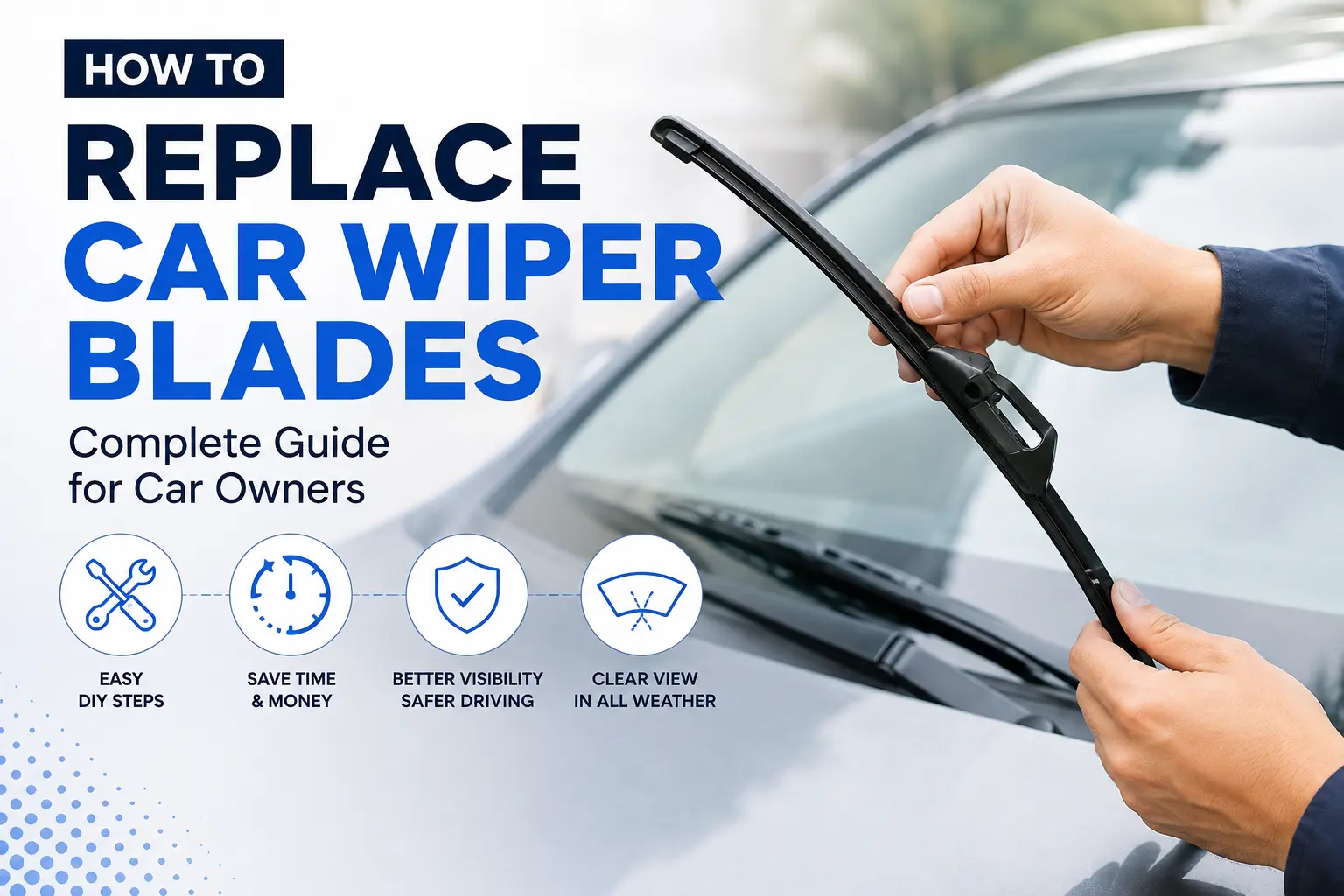
Clear visibility is one of the most important parts of safe driving, especially during heavy rain, dust, or changing weather conditions. Windshield wipers may seem like a small component of your car, but worn-out blades can leave streaks, create distracting noise, and make it difficult to see the road clearly. Knowing how to change car wiper blades can help you maintain better visibility without always visiting a workshop.
In this guide, we explain how to replace car wiper blades in a simple, practical way. Whether you want to understand windshield wiper replacement or learn how to replace car wiper blades at home, the process is generally straightforward when you use the correct blade size and follow the manufacturer's fitting instructions.
We will cover everything from identifying worn-out wipers and choosing suitable replacements to learning how to change windshield wipers step by step. You will also learn how to install new wiper blades on a car safely and maintain them for longer.
With the right replacement blades available through platforms such as Creckk, a basic wiper change can become a quick DIY maintenance task.
1. When Should You Replace Your Car Wiper Blades?
Your car's wiper blades work continuously against the windshield, so their rubber edges naturally wear down over time. Knowing when replacement is necessary is important for maintaining clear visibility. One of the easiest signs is streaking. If your wipers leave lines of water behind instead of clearing the glass, the rubber may no longer be making proper contact with the windshield.
Another common warning sign is skipping, where the blade jumps across the glass instead of moving smoothly. You may also hear squeaking, chattering, or scraping sounds while the wipers operate. These noises can indicate hardened, cracked, or damaged rubber. In some cases, the wiper may leave untouched areas on the windshield, reducing your field of vision during rain.
Before starting a windshield wiper replacement, inspect the rubber edge carefully. Look for cracks, splits, deformation, or areas that appear dry and brittle. Frequent exposure to sunlight, heat, dust, and rain can accelerate deterioration.
There is no single replacement interval that suits every vehicle. Driving conditions and climate make a difference. Instead of relying only on a calendar, check the blades regularly and replace them when their performance declines. If visibility is noticeably reduced, learning how to replace car wiper blades at home can be a useful maintenance skill.
2. How to Choose the Right Wiper Blades for Your Car
Choosing the correct replacement is just as important as knowing how to replace windshield wipers. Wiper blades are available in different lengths, designs, attachment systems, and materials, so buying a blade simply because it looks similar may result in an incorrect fit.
Start by checking your vehicle owner's manual for the recommended wiper sizes. You can also check the existing blade length or use a vehicle-specific compatibility guide from a reliable seller. Remember that the driver's and passenger's wiper blades may have different sizes. The rear windshield, if equipped with a wiper, can also require a separate blade.
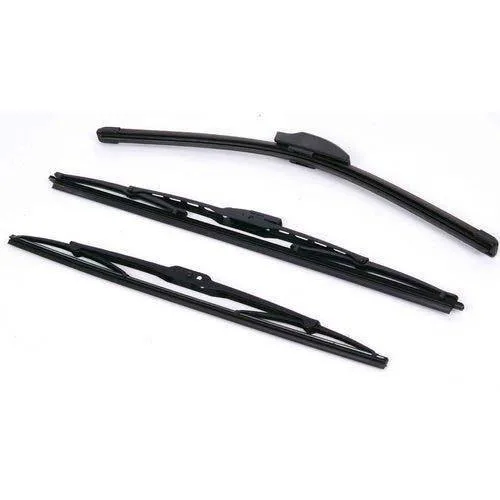
There are several common types, including conventional framed blades, beam blades, and hybrid designs. Conventional blades use a metal or plastic frame to distribute pressure, while beam blades generally have a more flexible design that follows the windshield's curve. Hybrid blades combine features of both designs.
Material quality also matters. Good-quality rubber or synthetic compounds can provide smooth movement and consistent water removal. Before purchasing, confirm the blade's length, connector type, and vehicle compatibility.
If you're learning how to change car wiper blades, selecting a properly matched product will make installation much easier. Platforms such as Creckk can also help car owners explore suitable automotive accessories. Always compare the product specifications with your vehicle before ordering rather than choosing based only on appearance or price.
3. How to Replace Car Wiper Blades Step by Step
Learning how to replace car wiper blades is relatively simple, but you should work carefully to avoid accidentally allowing the metal wiper arm to hit the windshield. Park the car on a level surface, switch off the ignition, and make sure the wipers are in their normal resting position.
Step 1: Lift the Wiper Arm
Carefully lift the wiper arm away from the windshield. Some vehicles have specific service positions, so check the owner's manual if the arm does not lift normally.
Step 2: Release the Old Blade
Look for the locking tab, clip, or button connecting the blade to the wiper arm. Press or release it according to the blade design, then slide the old blade out.
Step 3: Position the New Blade
Take the replacement blade and align its connector with the wiper arm. Make sure the attachment mechanism matches your vehicle.
Step 4: Lock It Securely
Slide the new blade into position until the locking mechanism engages. Give it a gentle pull to confirm that it is properly secured.
Step 5: Lower the Arm Carefully
Do not allow the bare metal arm to fall onto the glass. Lower it slowly onto the windshield.
This is the basic method for how to install new wiper blades on a car, although attachment mechanisms can vary. If you're following how to change windshield wipers step by step, always check the manufacturer's instructions for your specific blade.
https://www.instagram.com/reel/DafNTxzTeTC/?igsh=MXI4ZHVmYTBrM205YQ==
4. Tips to Maintain Your Windshield Wipers for Longer
Once you understand how to replace car wiper blades at home, proper maintenance can help your new blades perform effectively for longer. One of the simplest habits is keeping the windshield clean. Dust, mud, insects, and other debris can collect on the glass and increase friction between the rubber blade and windshield.
Clean the windshield regularly with an appropriate glass-cleaning solution. You can also gently wipe the rubber edge with a clean, damp microfiber cloth to remove accumulated dirt. Avoid using harsh chemicals that may damage the rubber.
Never operate the wipers on a completely dry windshield unless necessary. Dry dust and debris can create additional friction and accelerate blade wear. During extreme weather, check that the wipers are not stuck to the windshield before switching them on.
It is also worth inspecting the blades periodically for cracks, splits, hardening, or uneven edges. If the rubber has deteriorated, cleaning alone will not restore its original performance, and replacement is the better option.
Good washer fluid is another important part of wiper maintenance. It helps loosen dirt and allows the blades to move across the glass more smoothly.
Following these simple practices can improve wiper performance and visibility. Whether you recently completed a windshield wiper replacement or are preparing to change car wiper blades ,regular inspection can help you identify problems before they become a safety concern.
Wiper Blade Replacement Quick-Reference Table
| What to Check | What to Look For | Recommended Action |
|---|---|---|
| Streaking | Water lines remain after wiping | Inspect or replace blades |
| Skipping | Blade jumps across glass | Check blade condition |
| Squeaking | Repeated irritating noise | Clean blade and inspect rubber |
| Cracked rubber | Visible splits or damage | Replace the blade |
| Wrong size | Poor windshield coverage | Check vehicle specifications |
| Loose connector | Blade moves at attachment point | Refit or replace |
| Dirty windshield | Dust and debris buildup | Clean glass regularly |
| Poor visibility | Rain remains on windshield | Inspect the entire wiper system |
FAQs About Replacing Car Wiper Blades
1. How often should car wiper blades be replaced?
There is no universal replacement schedule because climate, usage, parking conditions, and blade quality all affect lifespan. Inspect them regularly and replace them when they begin streaking, skipping, squeaking, or leaving areas uncleared.
2. Can I replace car wiper blades myself?
Yes. In many vehicles, replacing the blades is a simple DIY maintenance task. If you are learning how to replace car wiper blades at home, make sure you purchase the correct size and connector for your vehicle.
3. How do I know which wiper blade size my car needs?
Check your vehicle owner's manual, the existing blade specifications, or a reliable vehicle compatibility guide. The driver's side and passenger side may use different lengths.
4. What is the easiest way to change windshield wipers?
Lift the wiper arm, release the old blade, attach the correctly sized replacement, confirm that the locking mechanism is secure, and carefully lower the arm.
5. Can I use the same wiper blade size on both sides?
Not necessarily. Many vehicles use different blade lengths on the driver's and passenger's sides. Always verify the recommended sizes for your particular car.
6. Why are my new wipers still leaving streaks?
Possible causes include a dirty windshield, contaminated or defective blades, incorrect installation, damaged glass, or an issue with the wiper arm. Clean the glass and check the blade installation first.
7. Is it safe to use wipers on a dry windshield?
Repeatedly using wipers on a dry, dirty windshield can increase friction and accelerate wear. Using suitable washer fluid is generally preferable when cleaning the windshield with the wipers.
8. Where can I buy replacement car wiper blades?
Car owners can compare compatible automotive accessories through Creckk, while also checking the manufacturer's specifications to ensure the selected blades fit their vehicle correctly.