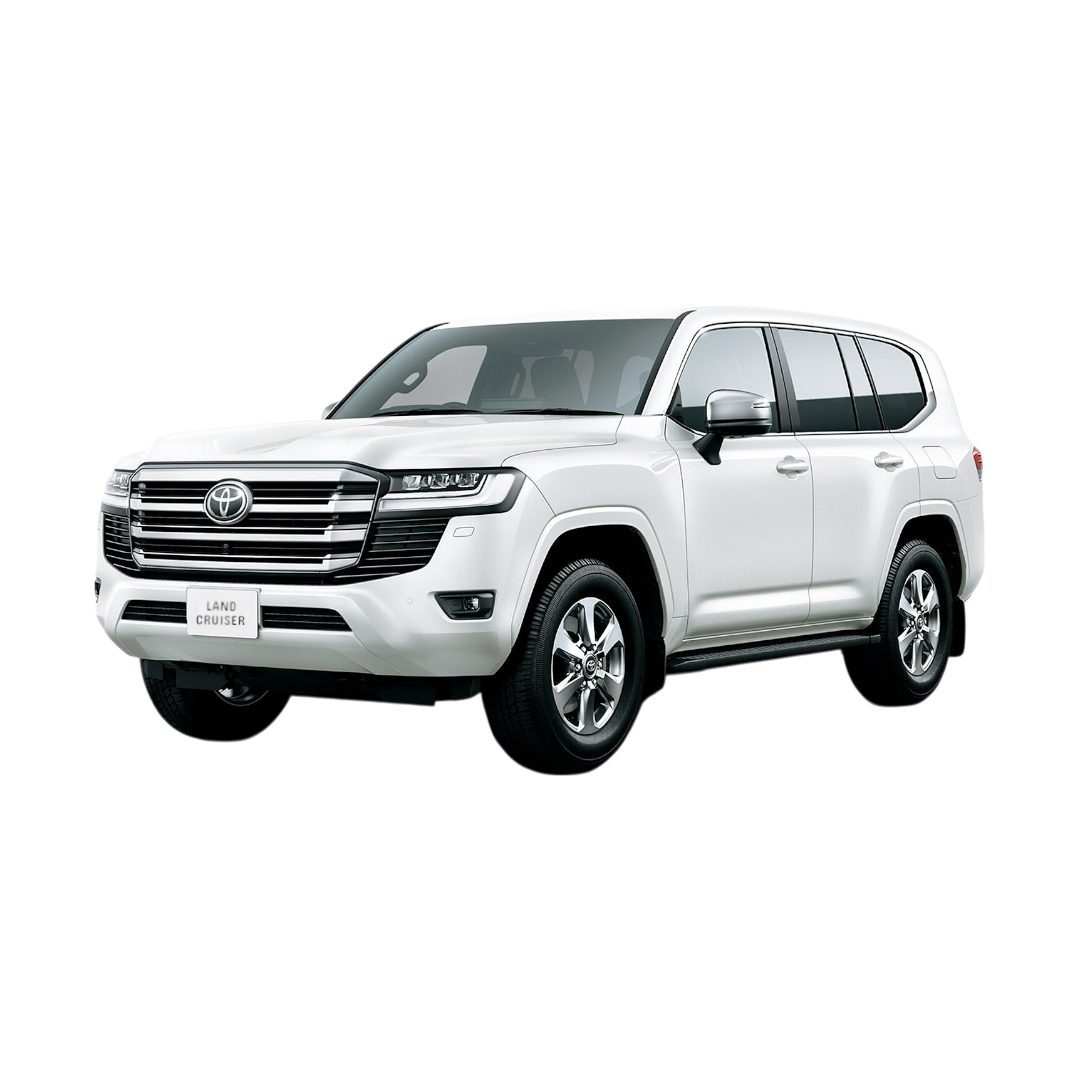
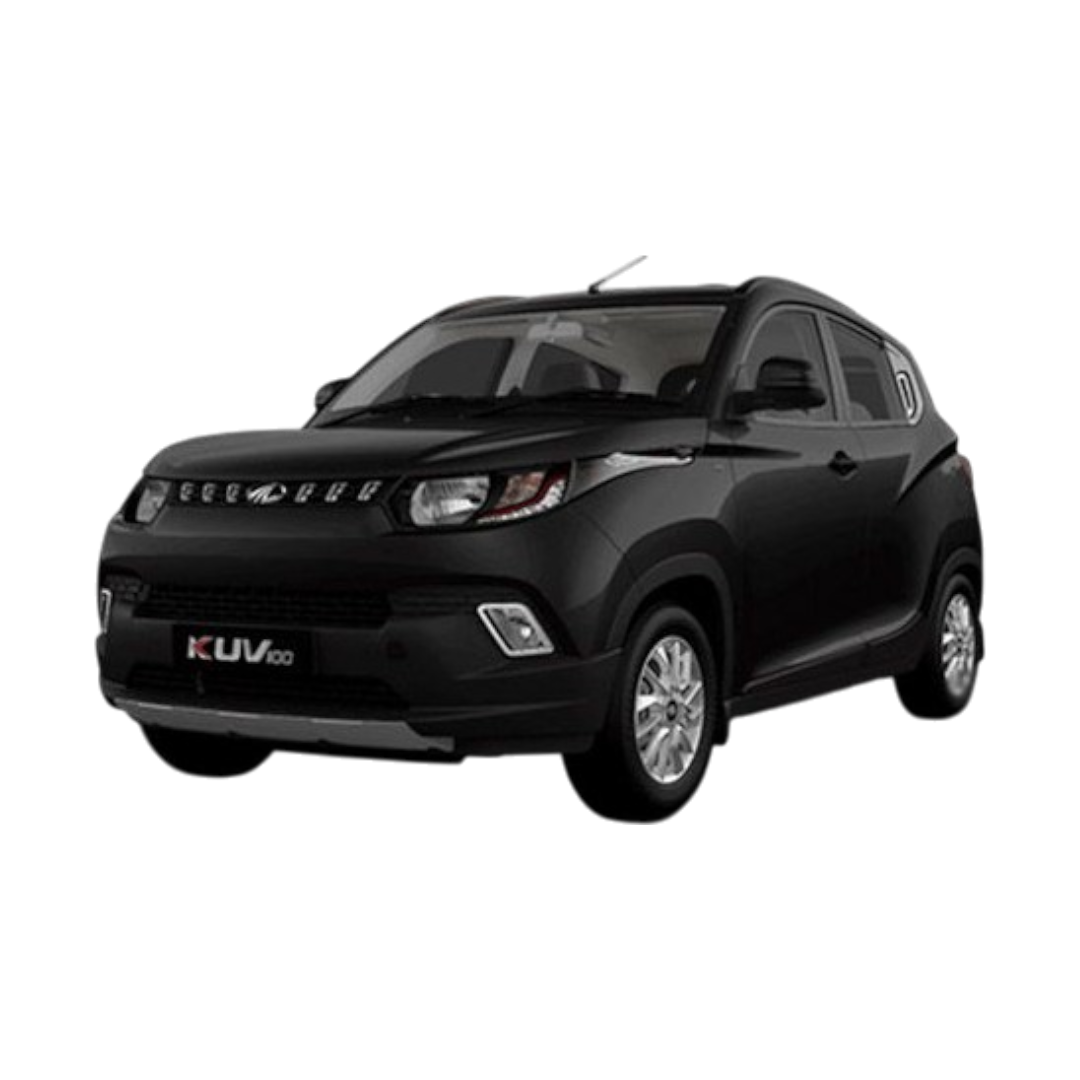
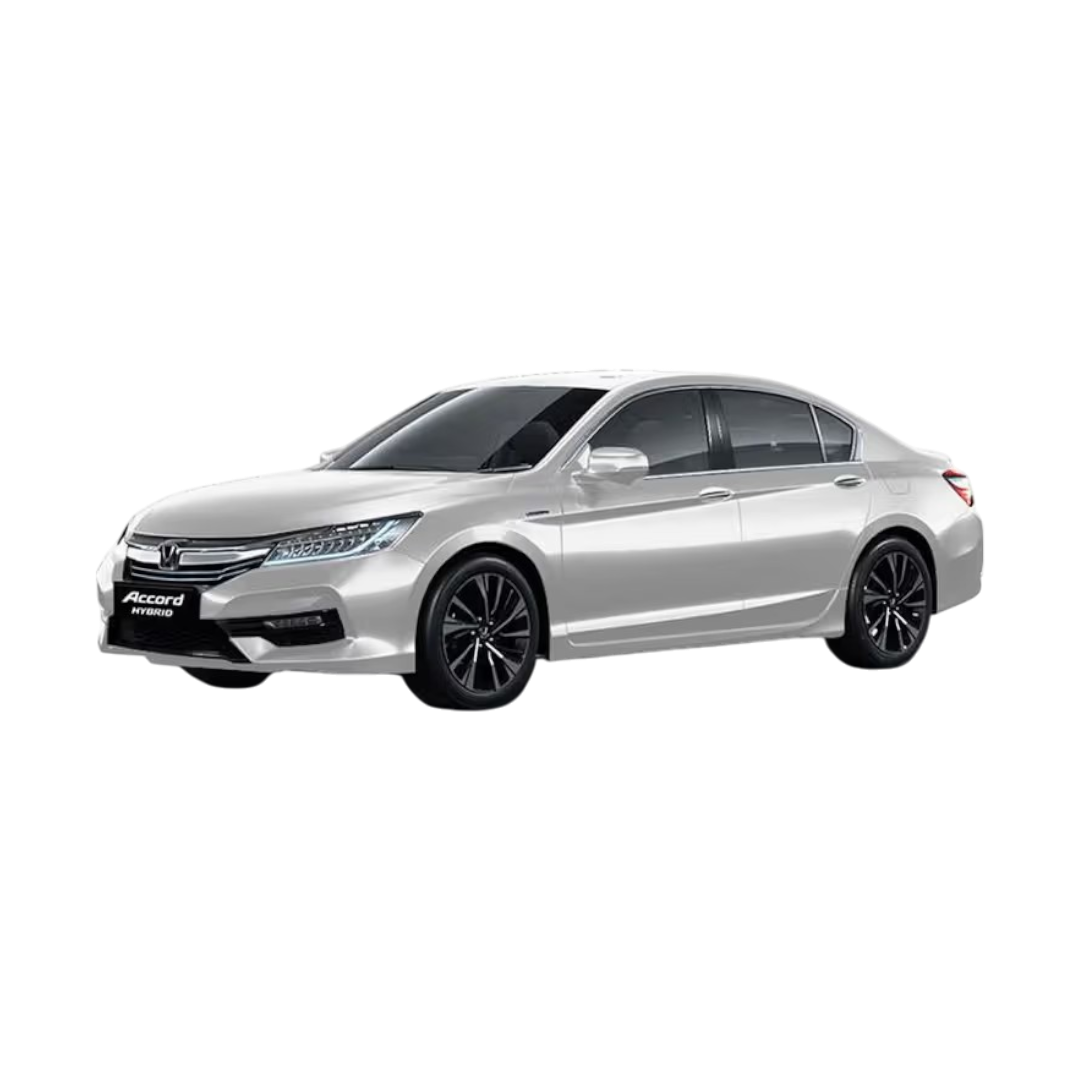
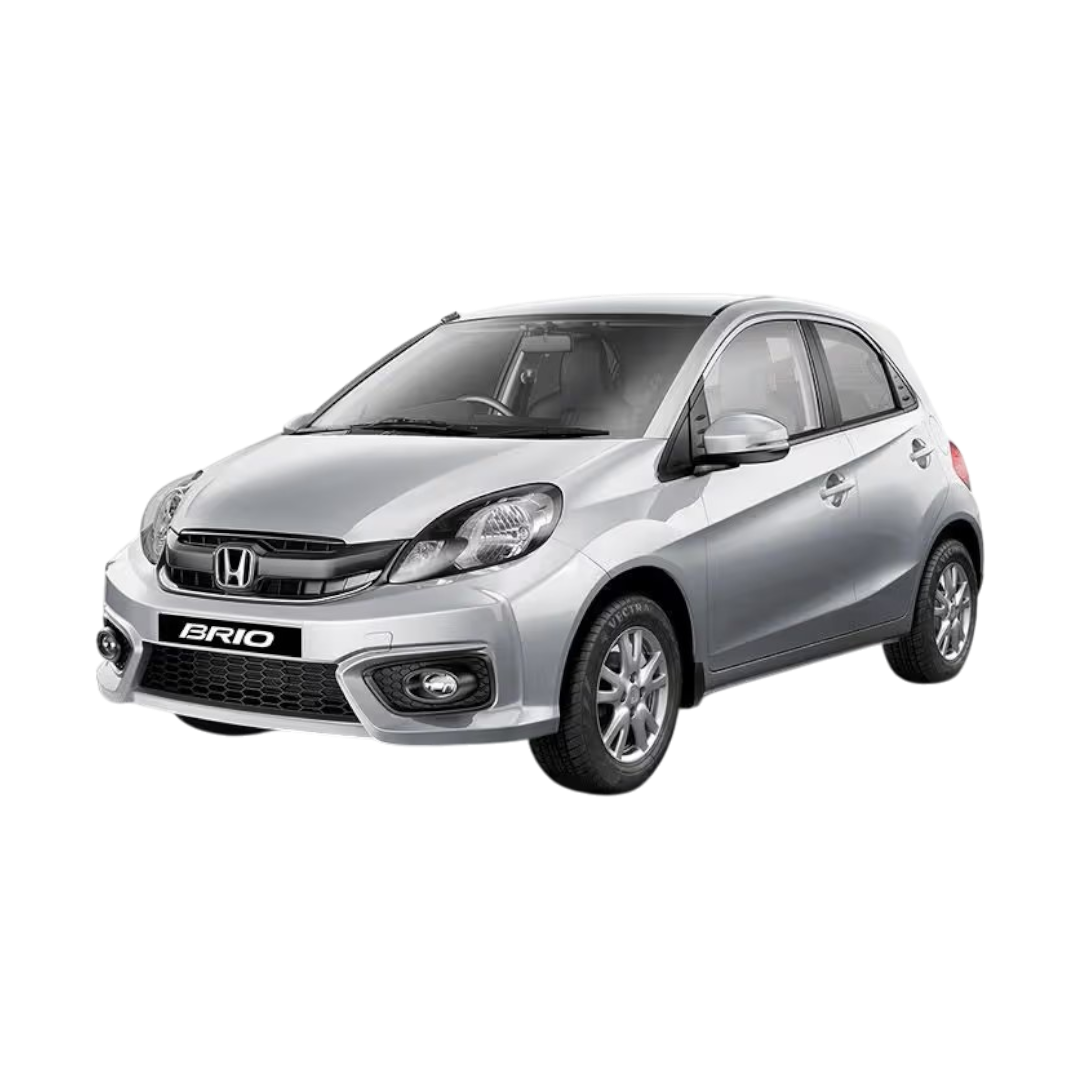
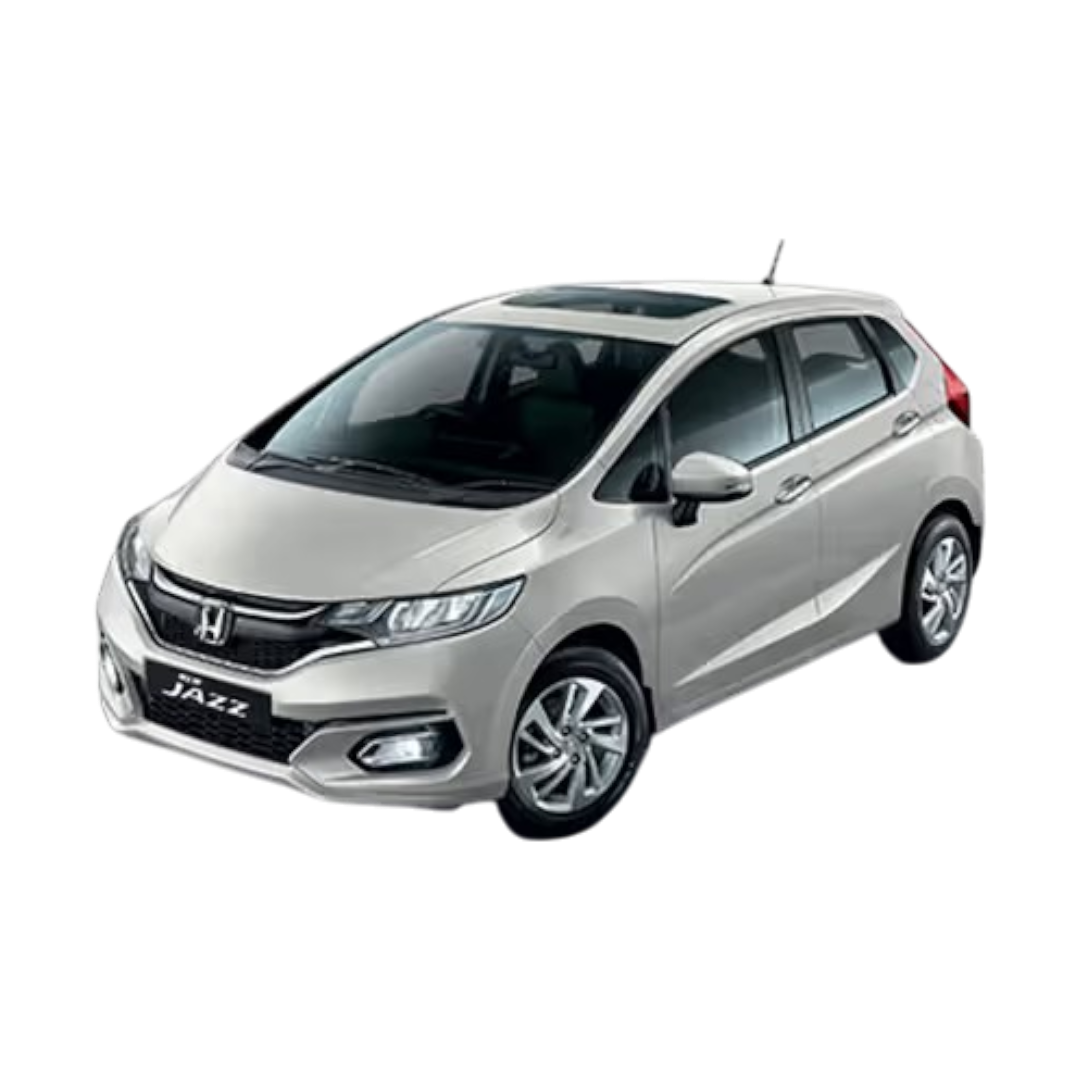
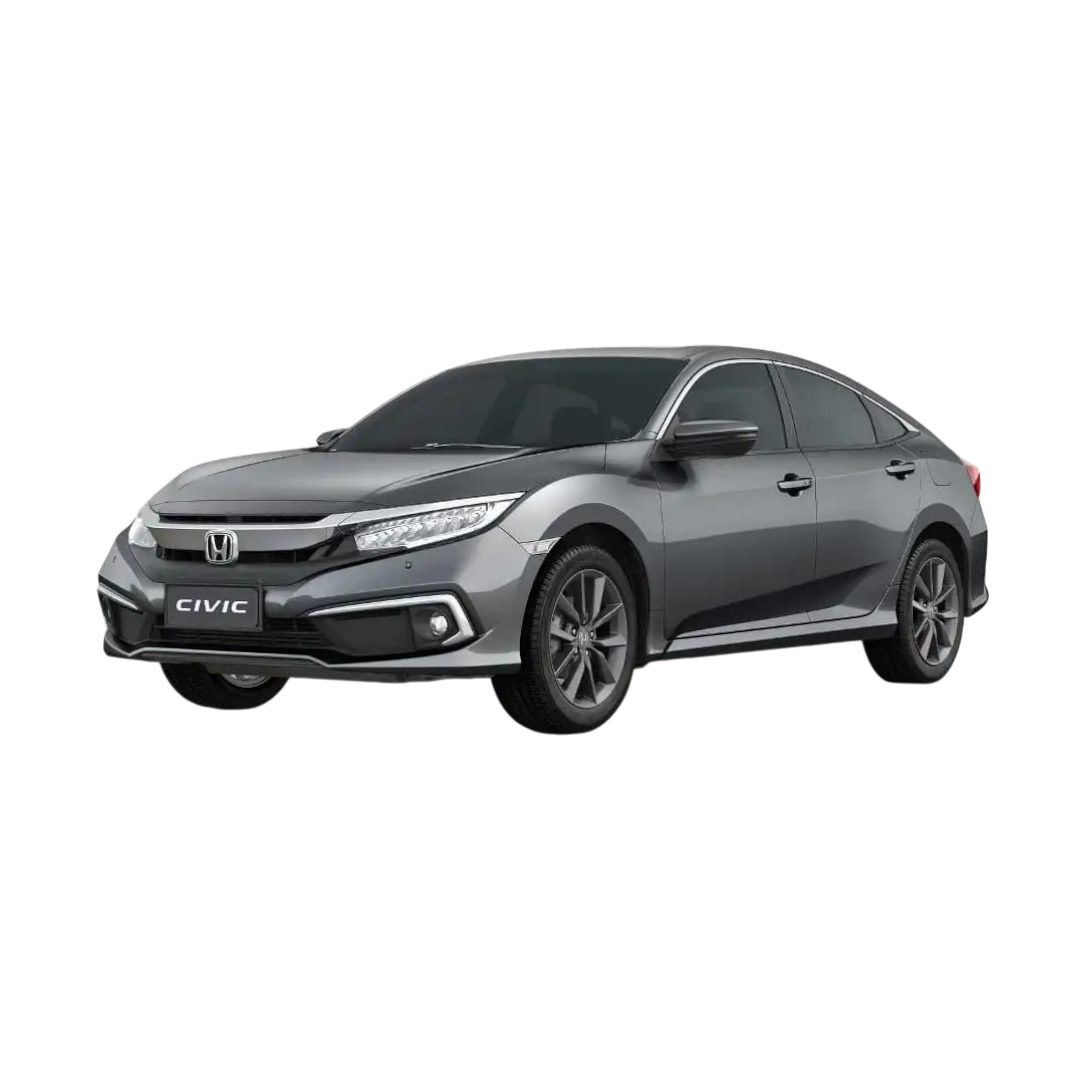
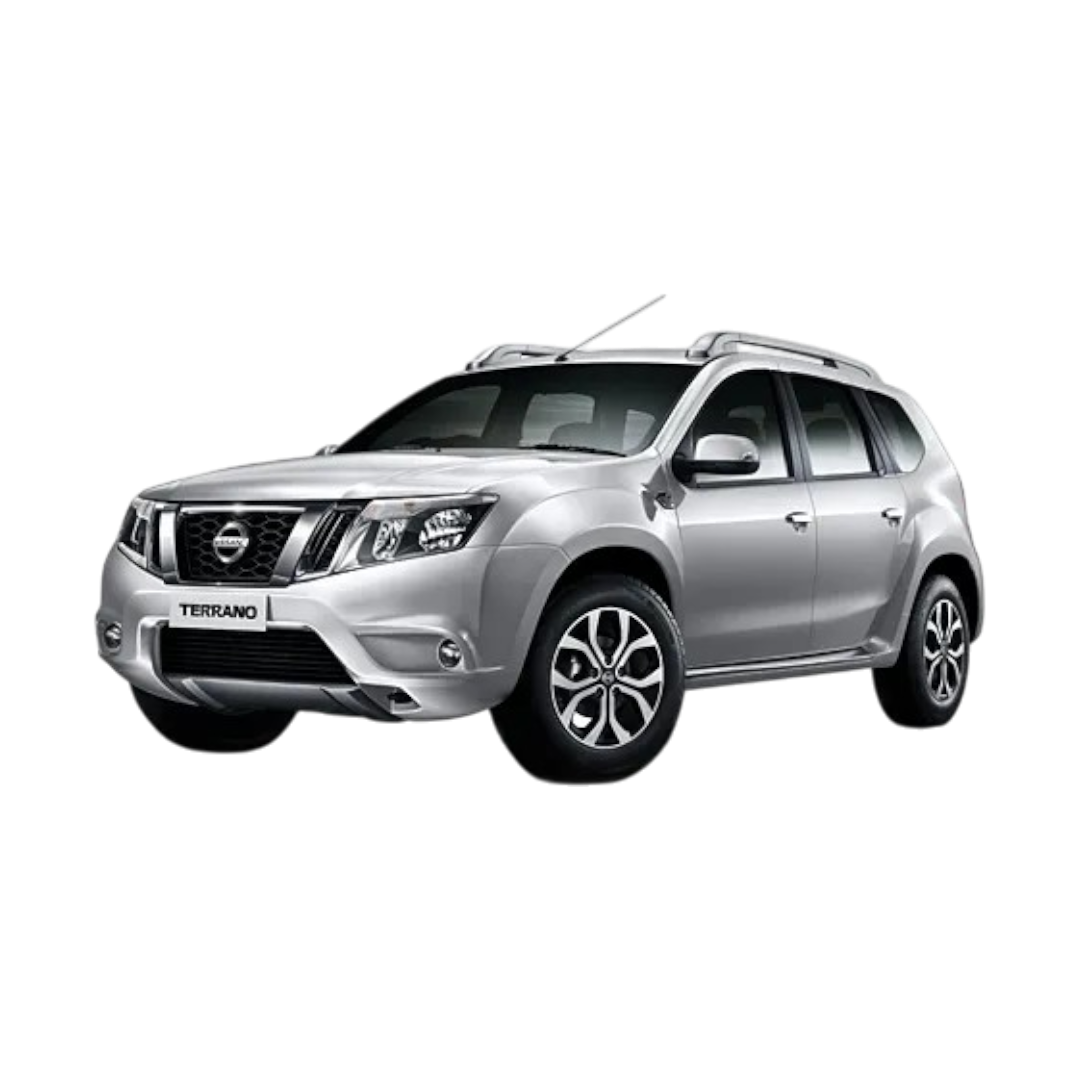
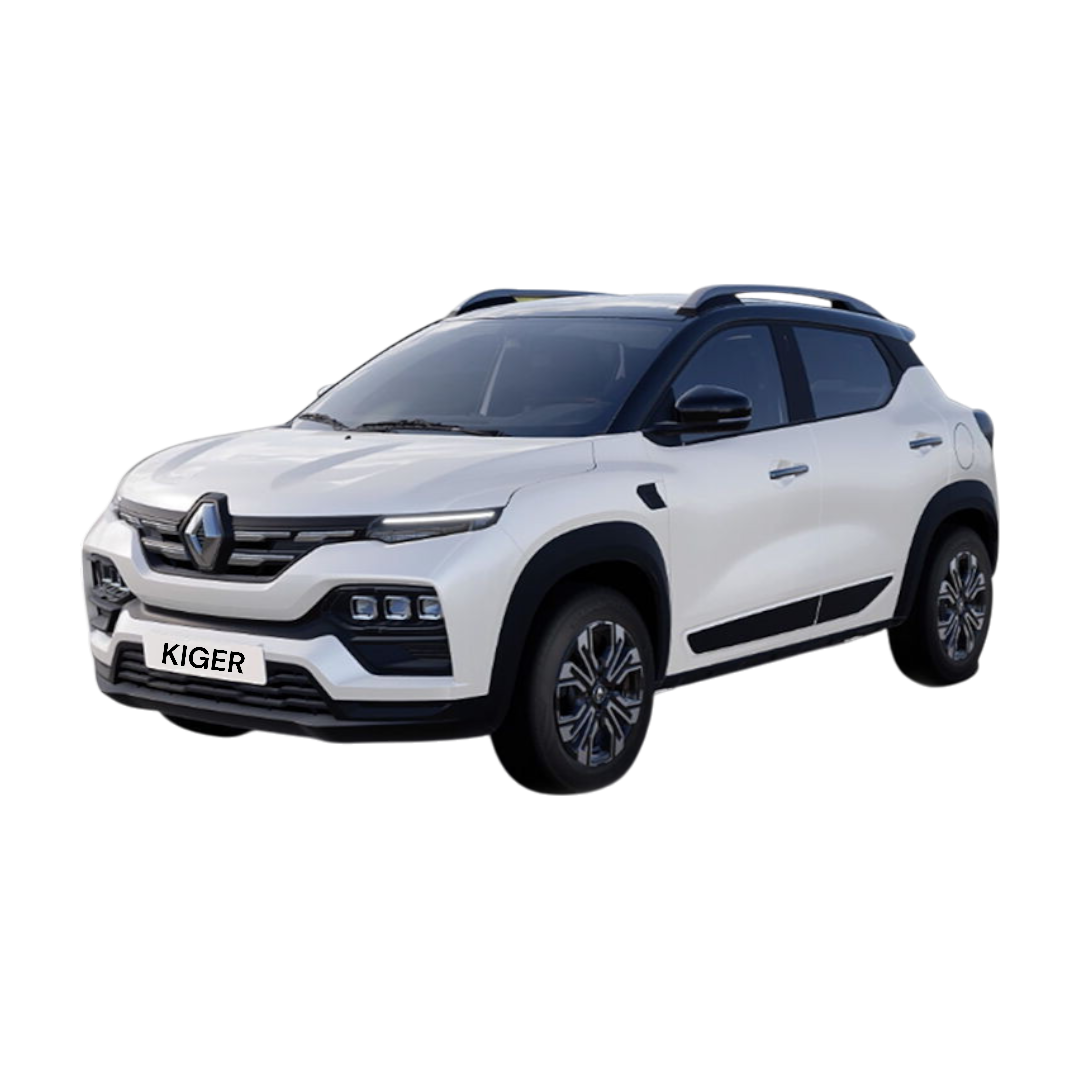
As India accelerates its shift towards cleaner and more sustainable transportation, E20 petrol is becoming the new standard at fuel stations across the country. This change has left many car owners asking important questions such as Which Cars Can Use E20 Fuel, whether their vehicle is among the E20 Compatible Vehicles, and Does E20 petrol affect engine performance in everyday driving. If you own a petrol car, understanding E20 compatibility is essential before making the switch.
In this comprehensive guide, Creckk explains everything you need to know about E20 fuel in simple, practical language. You'll learn what E20 petrol is, which models are classified as E20 Ready Cars, and How to check E20 compatibility of my car using reliable manufacturer information. We'll also explore how E20 may influence mileage, engine performance, and long-term vehicle maintenance, especially for older vehicles.
With India's ethanol-blending programme expanding rapidly and recent public discussions bringing the topic back into focus, staying informed has never been more important. Whether you're planning to buy a new car or simply want to protect your current one, this guide is designed to help you make confident, well-informed decisions based on official recommendations and real-world considerations.
What Is E20 Fuel and Why Is India Promoting It?
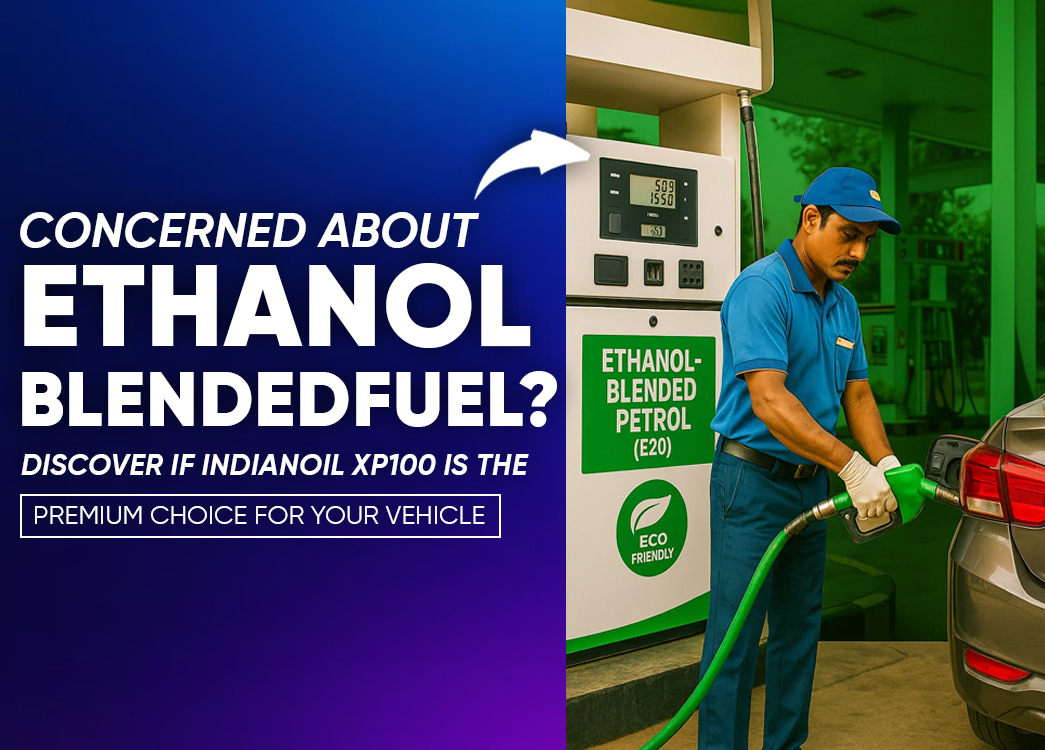
E20 fuel is a petrol blend containing 20% ethanol and 80% petrol. Ethanol is a renewable biofuel produced mainly from sugarcane, maize, and other agricultural feedstocks. By increasing the percentage of ethanol in petrol, India aims to reduce its dependence on imported crude oil while promoting cleaner and more sustainable mobility. The nationwide rollout of E20 is part of the Government of India's long-term energy strategy to improve fuel security and reduce carbon emissions from the transport sector.
One of the biggest advantages of E20 petrol is that it helps lower greenhouse gas emissions compared to conventional petrol. It also creates additional demand for agricultural produce, providing better income opportunities for farmers and strengthening the domestic biofuel industry. These benefits make ethanol blending an important step towards achieving India's environmental and economic goals.
However, the transition also raises questions for vehicle owners. Not every petrol car is designed to operate on a higher ethanol blend. This is why understanding E20 Compatible Vehicles is essential before filling up with E20 fuel. If you are wondering Which Cars Can Use E20 Fuel, the answer depends on your vehicle's model year and the manufacturer's recommendations. Many recently launched E20 Ready Cars are engineered with upgraded fuel system components and engine calibration that safely support E20 petrol.
If you own an older petrol vehicle, it is advisable to first understand How to check E20 compatibility of my car. The most reliable sources are your vehicle owner's manual, the manufacturer's official website, or an authorised dealership. Using fuel that is not recommended for your vehicle may affect certain rubber or plastic fuel system components over time, depending on the vehicle's design.`
Another common concern among motorists is Does E20 petrol affect engine performance. For vehicles specifically designed and tested for E20, manufacturers have calibrated the engine to ensure reliable performance, smooth drivability, and compliance with emission norms. In contrast, vehicles that are not E20-compatible may experience reduced efficiency or long-term wear if E20 is used continuously against manufacturer recommendations.
At Creckk, we recommend checking your car's official compatibility information before making the switch. A few minutes of verification can help you avoid unnecessary maintenance costs while ensuring your vehicle continues to perform safely and efficiently.
E20 Fuel at a Glance
| Feature |
Details |
| Fuel Composition |
20% Ethanol + 80% Petrol |
| Main Objective |
Reduce crude oil imports and improve India's energy security. |
| Environmental Benefit |
Lower carbon emissions and cleaner combustion. |
| Economic Benefit |
Supports farmers and promotes domestic ethanol production. |
| Best Suited For |
Manufacturer-approved E20 Ready Cars. |
| Before Using E20 |
Verify compatibility through the owner's manual or manufacturer. |
Which Cars Can Use E20 Fuel?
One of the most common questions among Indian car owners is "Which Cars Can Use E20 Fuel?" The answer depends on your vehicle's manufacturing year, engine design, and the recommendations provided by the manufacturer. While E20 petrol is being introduced across India, not every petrol vehicle is built to handle a fuel blend containing 20% ethanol. Using the correct fuel is essential for maintaining engine reliability and avoiding unnecessary repairs.
Most petrol cars launched in recent years have been designed or updated to become E20 Compatible Vehicles. These E20 Ready Cars feature upgraded fuel lines, seals, injectors, fuel pumps, and engine calibration that can safely withstand the higher ethanol content. Manufacturers have tested these vehicles extensively to ensure reliable performance, improved emissions, and long-term durability while using E20 petrol.
In contrast, many older petrol vehicles were originally engineered for lower ethanol blends such as E5 or E10. Although occasional use of E20 may not immediately damage these vehicles, continuous use without manufacturer approval could increase wear on certain fuel system components, including rubber hoses, seals, and gaskets. This is why it is important not to assume compatibility based solely on the vehicle brand.
If you are wondering How to check E20 compatibility of my car, the safest method is to refer to your vehicle's owner's manual. Most manufacturers clearly specify the recommended fuel type and the maximum ethanol blend supported by the engine. You can also visit the manufacturer's official website or contact an authorised dealership by providing your Vehicle Identification Number (VIN) or chassis number for confirmation.
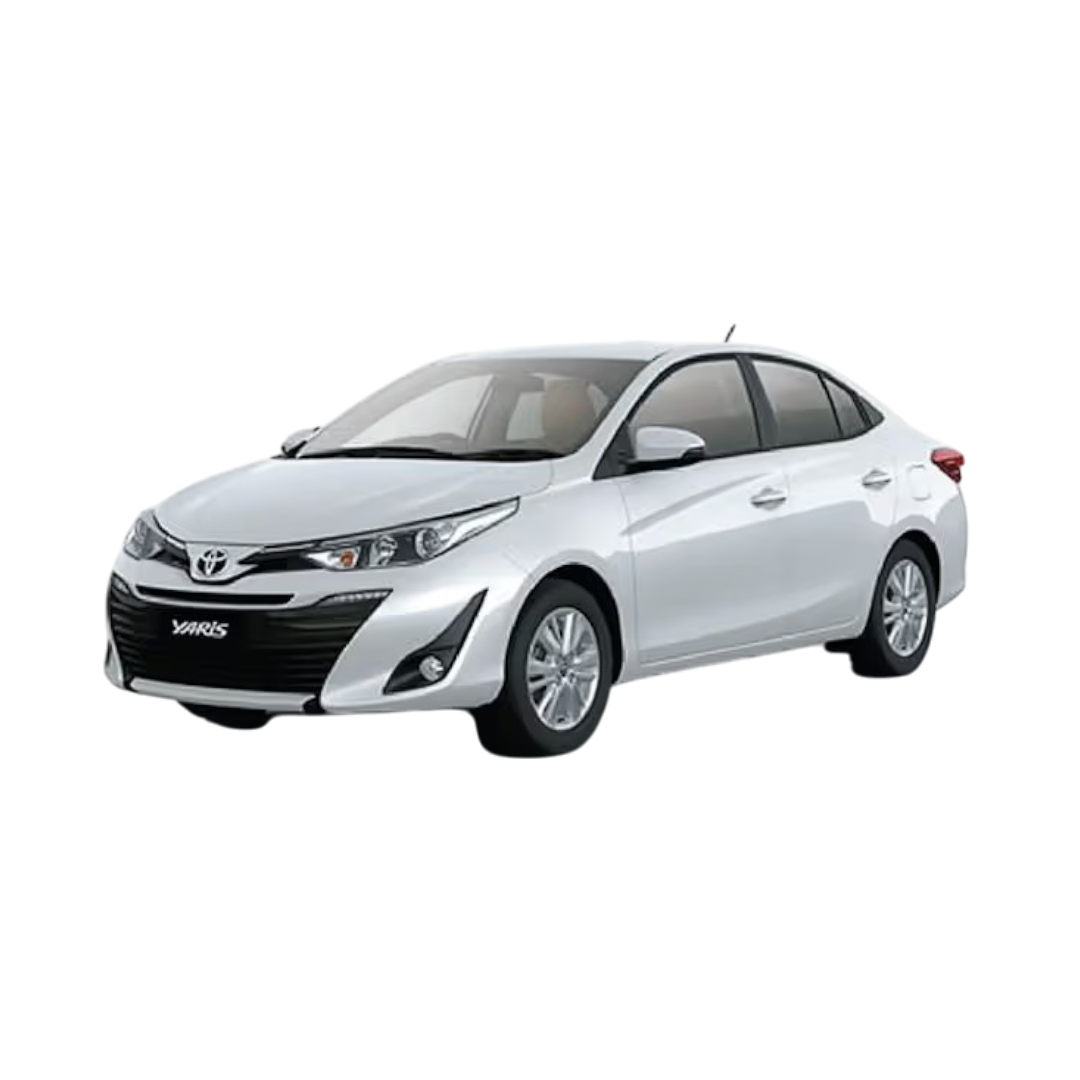
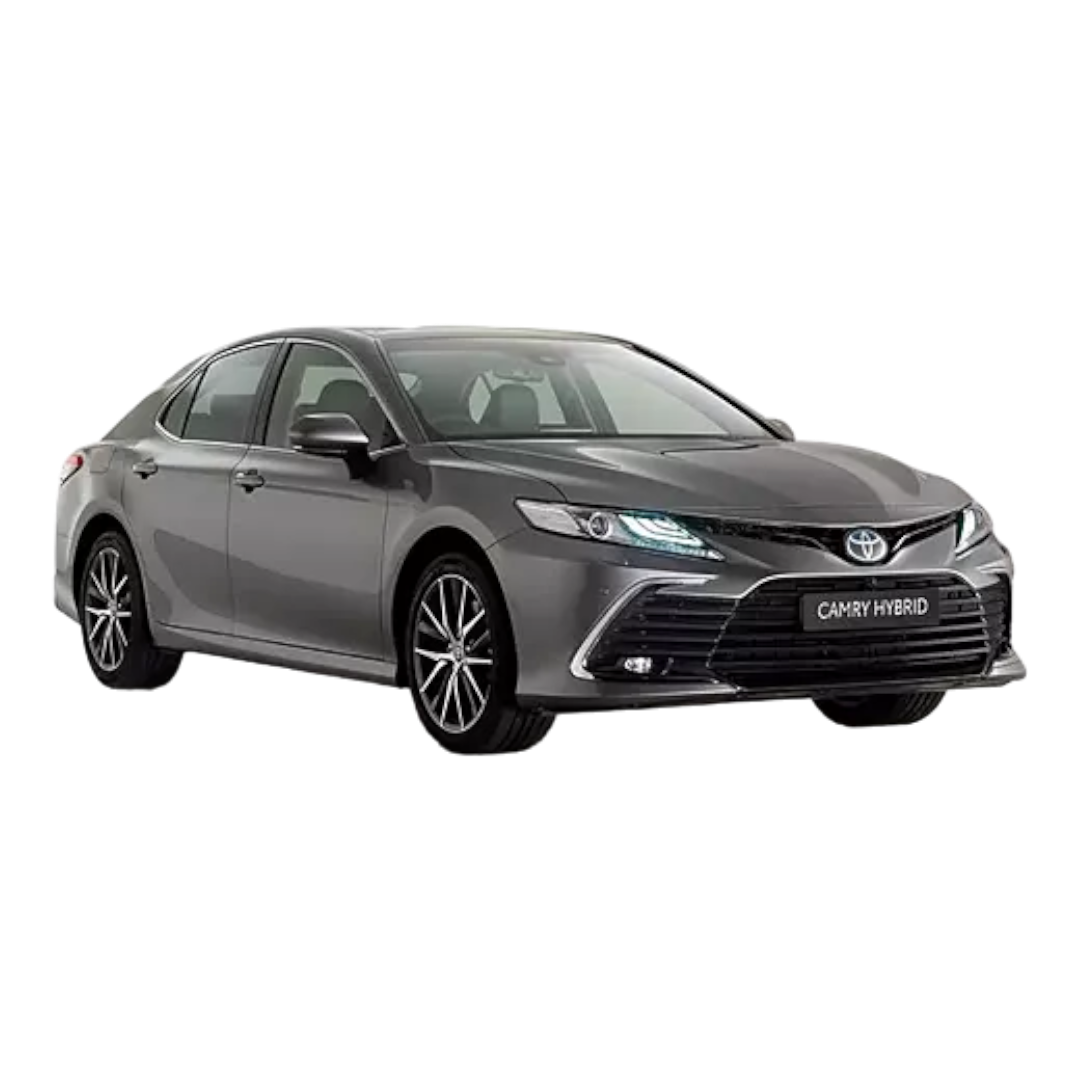
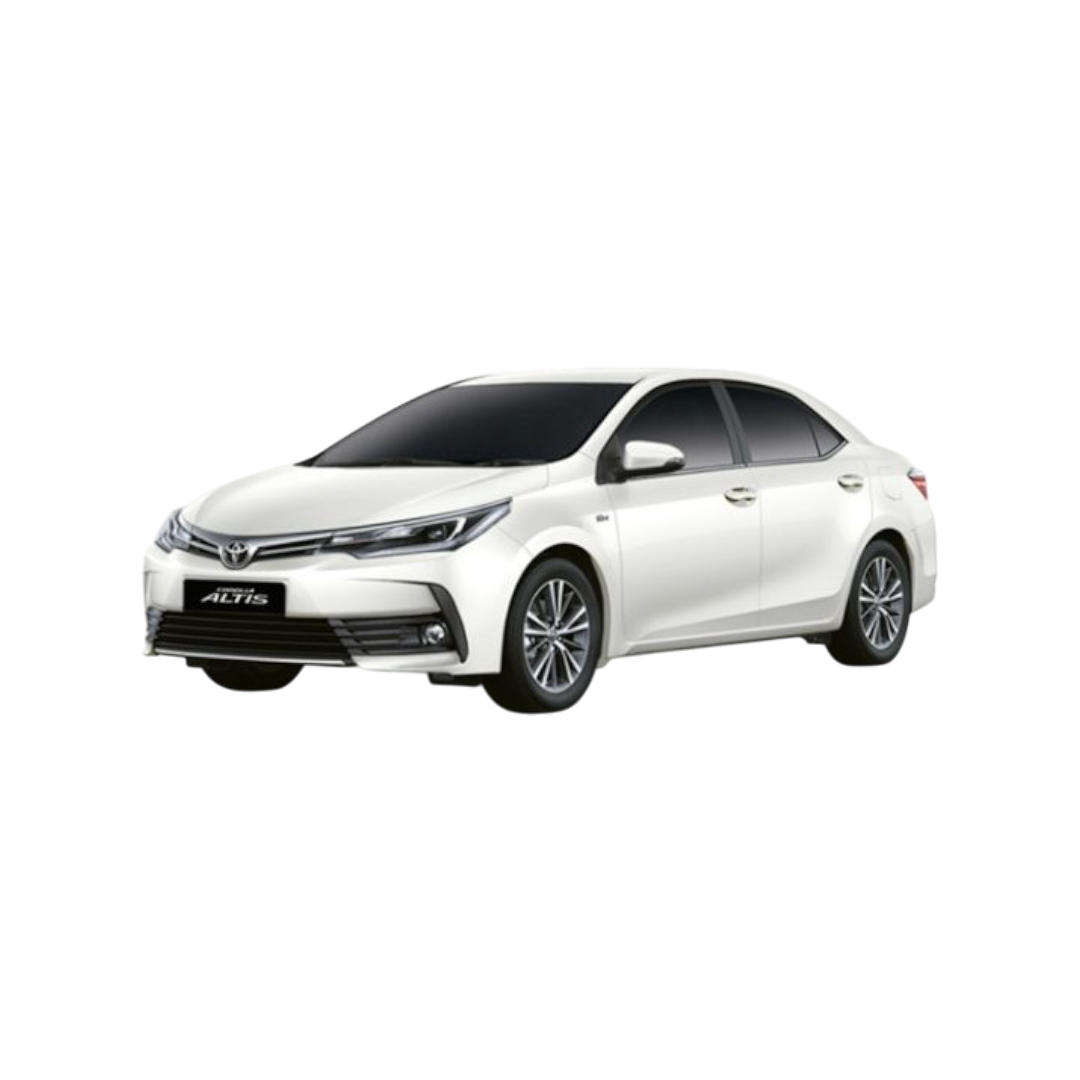
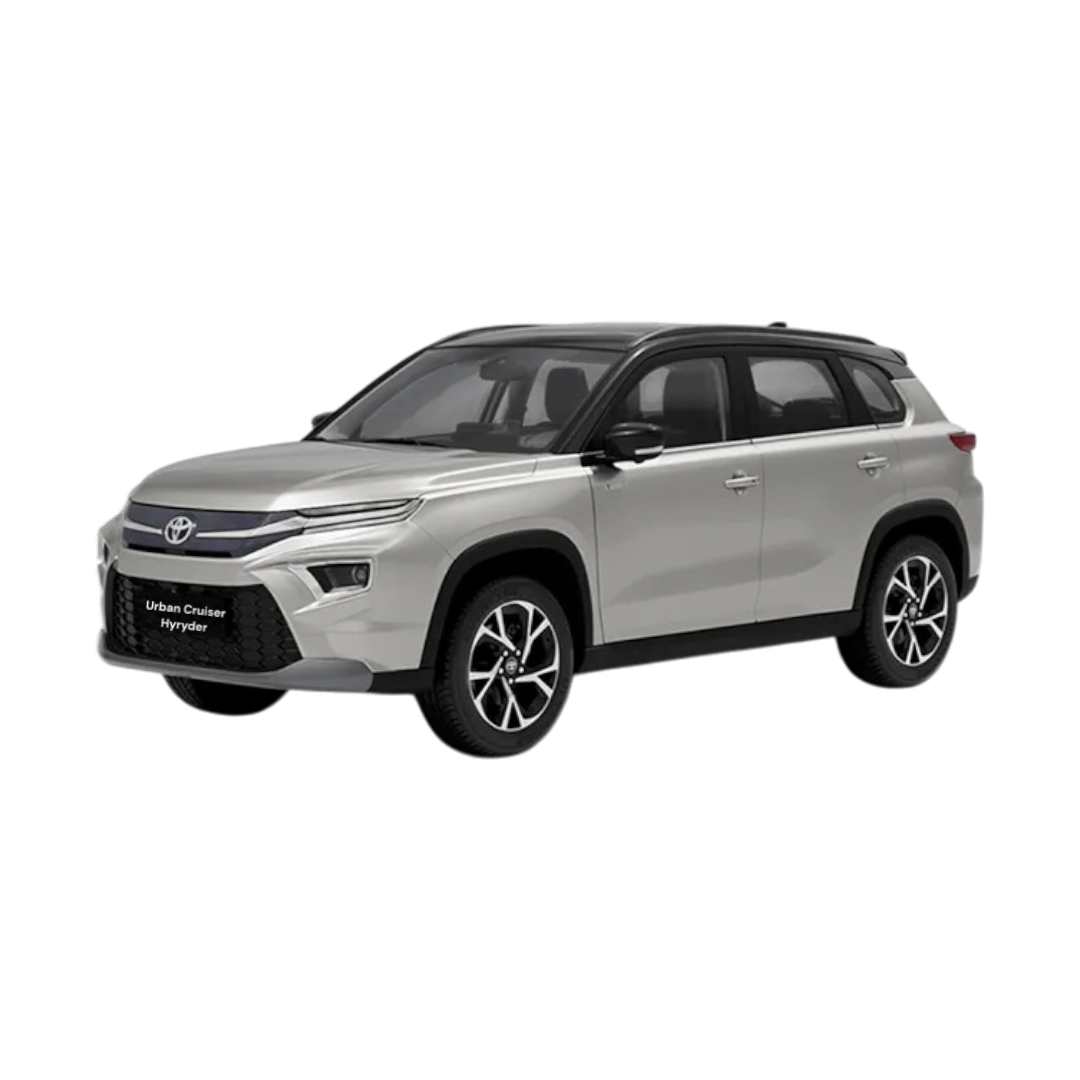
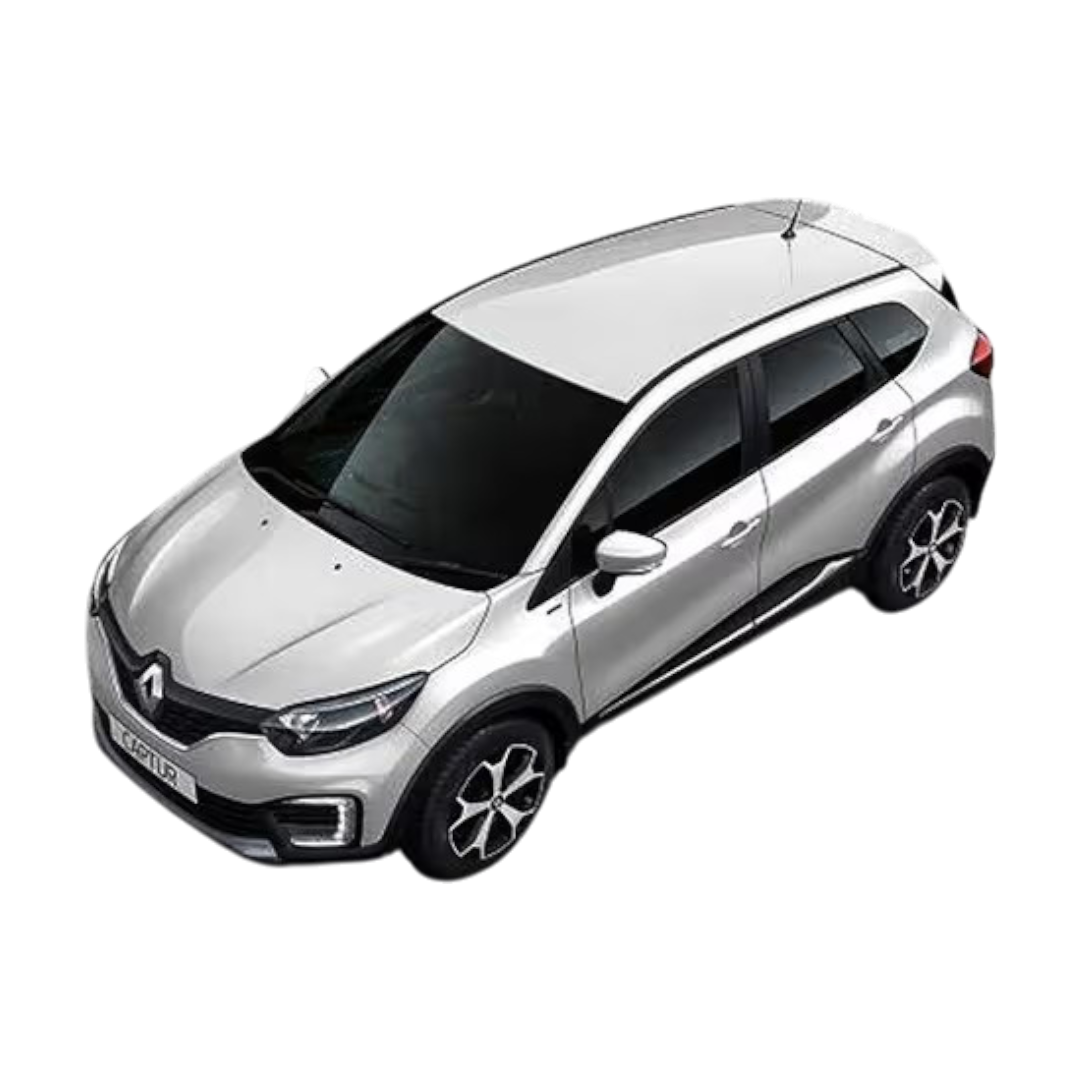
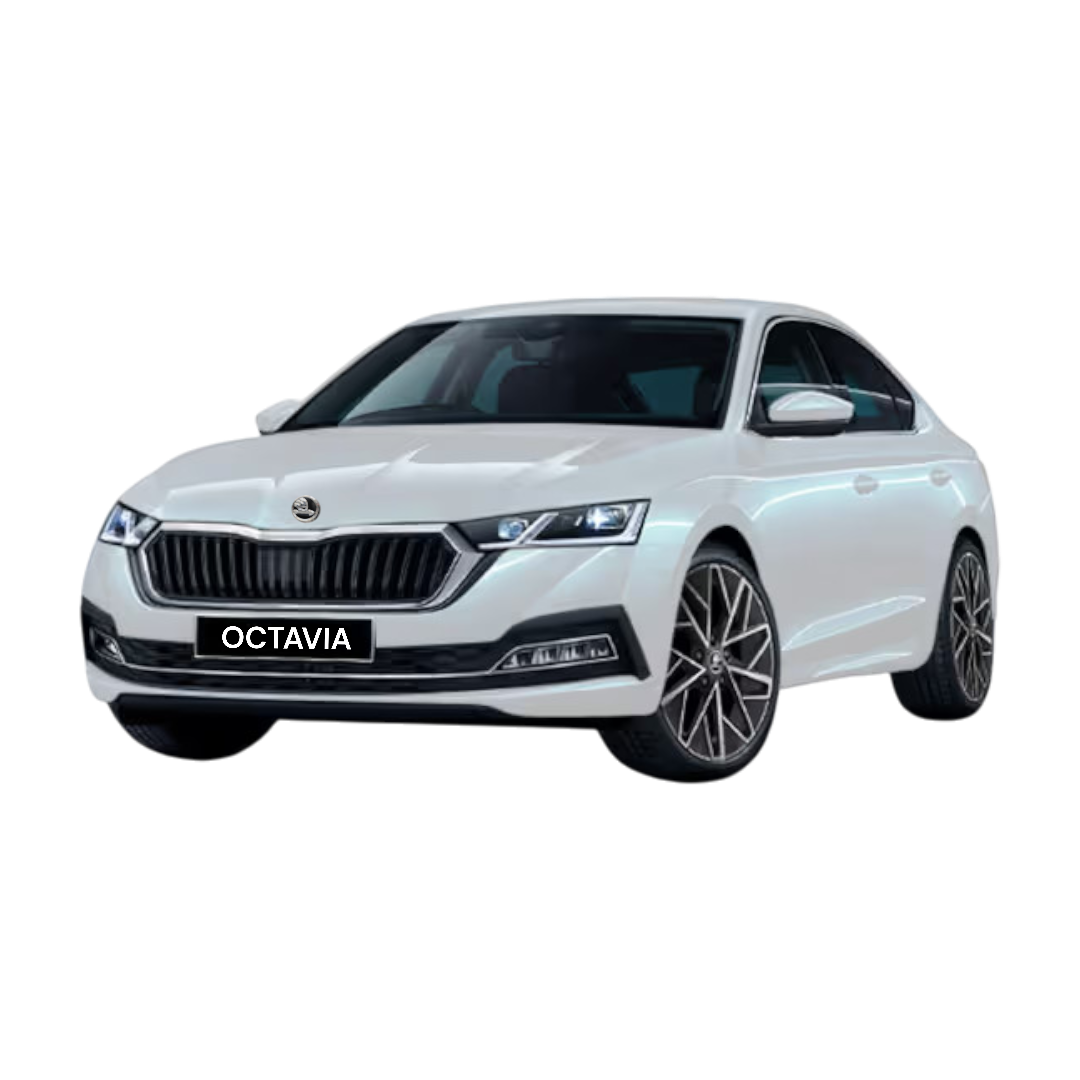
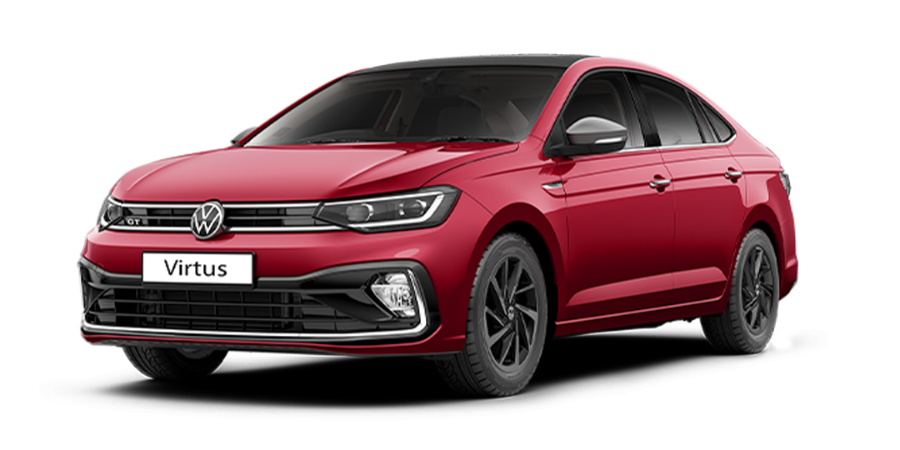
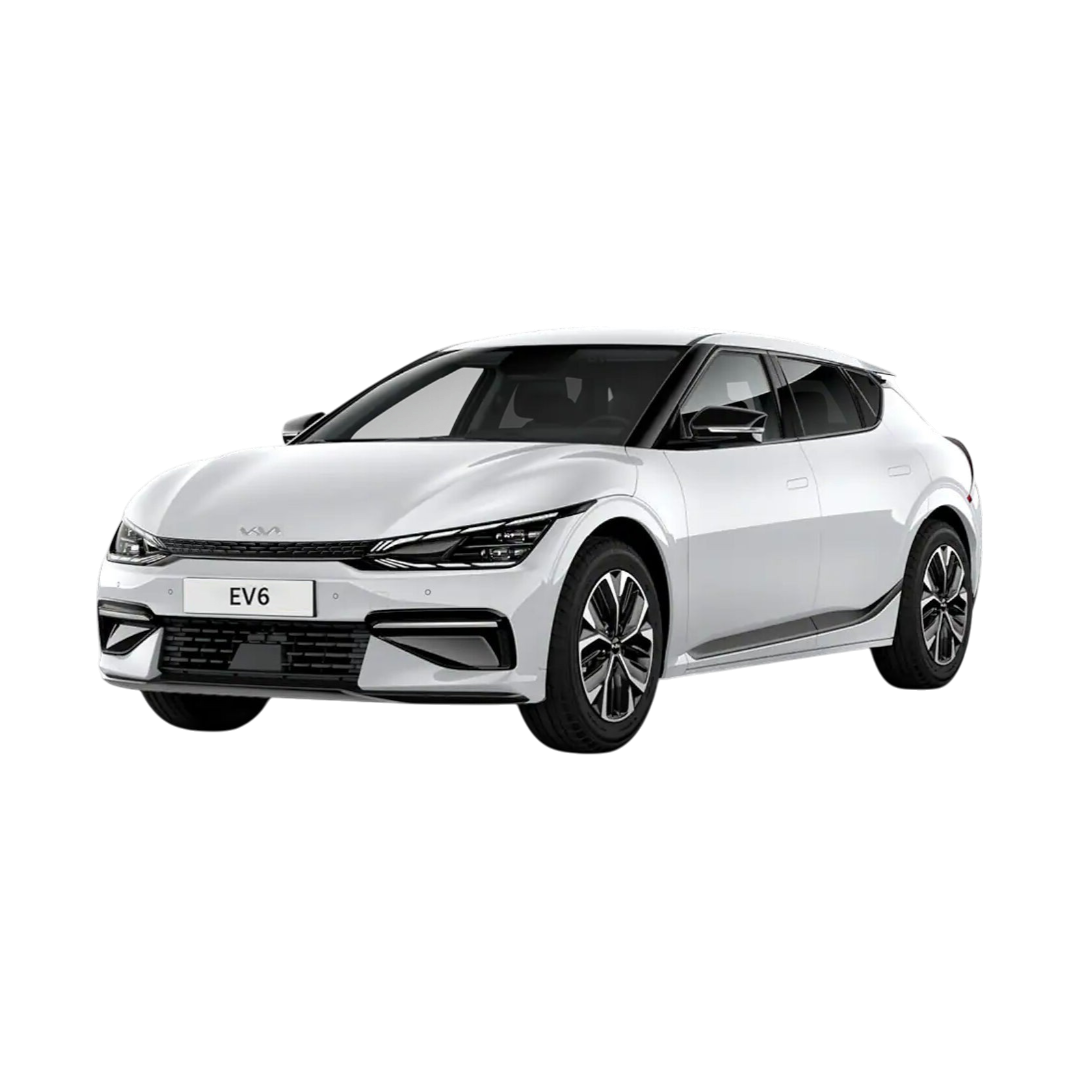
Several leading manufacturers, including Maruti Suzuki, Hyundai, Tata Motors, Mahindra, Honda, Toyota, Kia, Volkswagen, Skoda, Renault, and Nissan, have introduced petrol models that are E20-compatible. However, compatibility varies depending on the model, engine option, and manufacturing year. Even two variants of the same model may have different fuel recommendations.
At Creckk, we always recommend following your vehicle manufacturer's official guidance rather than relying on assumptions or social media claims. Verifying compatibility before switching to E20 petrol can help protect your engine, reduce maintenance costs, and ensure long-term reliability.
How to Check if Your Car Supports E20 Petrol
- Read your vehicle's owner's manual.
- Look for the recommended fuel specification.
- Visit the manufacturer's official website.
- Contact an authorised dealership.
- Verify compatibility using your VIN or chassis number.
- Use only the fuel approved by the manufacturer.
E20 Compatibility by Vehicle Category
| Vehicle Category |
E20 Compatibility |
Recommendation |
| Petrol Cars (2023 onwards)* |
Generally E20 Compatible |
Confirm using the owner's manual. |
| Petrol Cars (2020–2022) |
Varies by manufacturer and model |
Check official specifications before using E20 regularly. |
| Older Petrol Cars |
Limited compatibility |
Use E20 only if approved by the manufacturer. |
| Diesel Vehicles |
Not Applicable |
Continue using diesel fuel only. |
| Petrol-CNG Vehicles |
Varies by model |
Follow manufacturer recommendations. |
Note: The manufacturing year alone does not guarantee compatibility. Always verify whether your vehicle is listed among E20 Compatible Vehicles by checking the owner's manual or consulting your vehicle manufacturer before regularly using E20 petrol.
Does E20 Petrol Affect Mileage and Engine Performance?
One of the biggest concerns among Indian motorists is "Does E20 petrol affect engine performance?" The answer depends on whether your vehicle is designed to run on E20 fuel. For E20 Compatible Vehicles, manufacturers have specifically engineered the engine, fuel system, and engine control unit (ECU) to operate efficiently with a 20% ethanol blend. As a result, most owners of E20 Ready Cars will experience smooth performance, reliable drivability, and no noticeable reduction in engine life when using E20 petrol as recommended.
However, ethanol contains slightly less energy per litre than conventional petrol. Because of this, drivers may observe a small reduction in fuel economy, generally between 2% and 6%, depending on driving habits, traffic conditions, vehicle maintenance, and engine efficiency. This slight decrease in mileage is a normal characteristic of ethanol-blended fuel and should not be mistaken for an engine problem.
For vehicles that are not approved for E20 petrol, long-term use may lead to premature wear of certain fuel system components. Older rubber hoses, seals, gaskets, and plastic components may not have been designed to handle higher ethanol concentrations. Over time, this could increase maintenance requirements or affect fuel delivery efficiency. This is why manufacturers advise owners to use only the fuel specified for their vehicle.
If you are wondering How to check E20 compatibility of my car, the safest approach is to consult your owner's manual or visit the manufacturer's official website. You can also contact an authorised service centre and provide your vehicle's VIN or chassis number to confirm whether it is among the approved E20 Compatible Vehicles.
Regular maintenance plays an important role in keeping your vehicle running efficiently with E20 petrol. Replacing air filters, spark plugs, engine oil, and fuel filters according to the manufacturer's service schedule helps maintain performance and fuel efficiency. Using high-quality fuel from trusted petrol stations also reduces the risk of contamination and ensures consistent engine operation.
At Creckk, we recommend following your vehicle manufacturer's maintenance schedule and fuel recommendations rather than relying on myths or unverified information. If your vehicle is an E20 Ready Car, you can confidently use E20 petrol while enjoying its environmental benefits and maintaining reliable engine performance.
Tips to Maintain Performance While Using E20 Petrol
- Use E20 petrol only if your vehicle is manufacturer-approved.
- Follow the recommended service schedule.
- Replace air filters and spark plugs at the prescribed intervals.
- Check the fuel system during routine servicing.
- Fill fuel only from trusted petrol stations.
- Monitor mileage and engine performance regularly.
E20 Petrol: Mileage & Performance Comparison
| Parameter |
E20 Compatible Vehicles |
Non-E20 Compatible Vehicles |
| Engine Performance |
Optimised for E20 fuel with smooth performance. |
May experience reduced efficiency over prolonged use. |
| Fuel Mileage |
Slight reduction of around 2–6% may be noticeable. |
Varies depending on vehicle condition and compatibility. |
| Engine Safety |
Safe when used according to manufacturer recommendations. |
Continuous use is not recommended without approval. |
| Fuel System Durability |
Components are designed for higher ethanol content. |
Older hoses and seals may wear faster. |
| Maintenance Requirements |
Normal scheduled maintenance is sufficient. |
May require additional inspections over time. |
Expert Tip: If your vehicle is officially certified as one of the E20 Ready Cars, there is no need to worry about everyday driving. Manufacturers have already tested these vehicles to ensure safe operation, reliable performance, and compliance with emission standards while using E20 petrol.
Why Is E20 Fuel Back in the Spotlight? The July 31 Gaadi March
E20 petrol has once again become a major topic of discussion across India following the announcement of the "Gaadi March" scheduled for 31 July in New Delhi, led by political commentator Tehseen Poonawalla. According to public announcements, the march aims to raise concerns about the nationwide rollout of E20 petrol while advocating for greater consumer choice, including the continued availability of lower-ethanol fuel options for vehicles that may not be compatible with E20.
The announcement has renewed interest among vehicle owners who are trying to understand Which Cars Can Use E20 Fuel, whether their vehicles qualify as E20 Compatible Vehicles, and Does E20 petrol affect engine performance over the long term. Many motorists, especially owners of older petrol vehicles, want greater clarity before making the switch to higher ethanol blends.
Supporters of the march argue that consumers should have the freedom to choose the type of petrol that best suits their vehicle. They believe that owners of older vehicles should continue to have access to lower-ethanol fuel if their cars were not originally engineered for E20. They also emphasise the need for greater public awareness about How to check E20 compatibility of my car before using E20 petrol regularly.
The Government of India, on the other hand, maintains that the ethanol blending programme plays a crucial role in improving the country's energy security. By increasing the use of domestically produced ethanol, India aims to reduce its dependence on imported crude oil, lower greenhouse gas emissions, and support farmers by creating additional demand for crops used in ethanol production. The government has also stated that newer E20 Ready Cars have been developed and tested to safely operate on E20 petrol.
Experts generally agree that the discussion is not about whether ethanol is beneficial, but about ensuring that consumers receive accurate information and have enough time to adapt to the transition. The most important step for every vehicle owner is to verify fuel compatibility through official manufacturer guidelines rather than relying on assumptions or social media posts.
At Creckk, we encourage motorists to stay informed through trusted sources and follow manufacturer recommendations before switching fuels. Understanding your vehicle's compatibility is the best way to enjoy the environmental benefits of E20 petrol while protecting engine performance and avoiding unnecessary maintenance costs.
Government Perspective vs Consumer Concerns
| Topic |
Government's Perspective |
Consumer Concerns |
| Energy Security |
Reduce dependence on imported crude oil. |
Wants greater flexibility in fuel choices. |
| Environment |
Lower carbon emissions through ethanol blending. |
Questions about long-term engine durability. |
| Agriculture |
Supports farmers by increasing ethanol demand. |
Concern over vehicle maintenance costs. |
| Vehicle Compatibility |
New E20 Ready Cars are designed for E20. |
Older vehicles may not support higher ethanol blends. |
| Recommended Action |
Follow manufacturer-approved fuel recommendations. |
Verify How to check E20 compatibility of my car before regular use. |
Key Takeaways
- E20 fuel remains an important part of India's clean energy strategy.
- The July 31 Gaadi March has increased public awareness and debate around E20 petrol.
- Not every petrol vehicle is automatically E20 compatible.
- Always verify your vehicle's fuel compatibility using official manufacturer information.
- Using the correct fuel helps maintain engine performance and long-term reliability.
Frequently Asked Questions (FAQs)
1. Which Cars Can Use E20 Fuel in India?
Most petrol cars manufactured according to the latest emission and fuel compatibility standards are designed to use E20 petrol. However, compatibility varies by manufacturer, model, and production year. Always verify whether your vehicle is one of the E20 Compatible Vehicles by checking the owner's manual or contacting an authorised dealership.
2. How do I check E20 compatibility of my car?
The easiest way to confirm How to check E20 compatibility of my car is by referring to the owner's manual. You can also visit your vehicle manufacturer's official website or contact an authorised service centre using your Vehicle Identification Number (VIN) or chassis number for confirmation.
3. Does E20 petrol affect engine performance?
For E20 Ready Cars, manufacturers have calibrated the engine and fuel system to operate safely with E20 petrol. Older vehicles that are not approved for E20 may experience increased wear on certain fuel system components if the fuel is used continuously.
4. Does E20 petrol reduce mileage?
Yes. Since ethanol contains less energy than conventional petrol, some drivers may notice a slight reduction in fuel economy, usually between 2% and 6%. The exact difference depends on the vehicle, driving conditions, and maintenance.
5. Is E20 petrol mandatory in India?
E20 petrol is being introduced under India's ethanol blending programme. However, vehicle owners should always follow the fuel recommendations provided by their vehicle manufacturer before using E20 regularly.
6. Can older petrol cars use E20 fuel?
Some older petrol vehicles may not be designed for higher ethanol blends. Before using E20 petrol, verify compatibility through your owner's manual or consult the manufacturer to avoid potential long-term fuel system wear.
7. What are the benefits of E20 petrol?
E20 petrol helps reduce dependence on imported crude oil, lowers vehicle emissions, supports India's ethanol industry, and creates additional demand for agricultural produce. These benefits contribute to improved energy security and environmental sustainability.
8. Where can I find reliable information about E20 fuel?
For accurate information, refer to your vehicle manufacturer's official documentation and trusted automotive resources. At Creckk, we recommend relying on verified information instead of social media rumours before switching to E20 petrol.